The Pentagon is facing sharp criticism following investigative reports accusing defense officials of concealing American military casualties in the ongoing conflict with Iran.
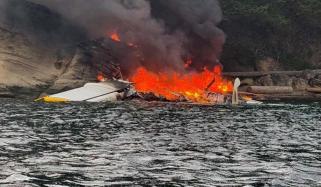
Unannounced Iranian missile and drone strikes in Jordan reportedly wounded dozens of U.S. service members and damaged several military helicopters.
Criticizing the prolonged absence of routine press briefings, former Defense Secretary Leon Panetta called the secrecy a “shameful approach to sharing the responsibility that we all have when it comes to fighting a war.”
Pentagon rejects cover-up claims
Defense Department officials have strongly pushed back against claims of an international cover-up. Striking back at news reports, Pentagon spokesman Sean Parnell forcefully stated:
“The Department of War rejects these baseless and malicious accusations of hiding injury numbers as outright lies from partisan hacks at the New York Times who are desperate to smear America’s military and its leadership.”
Data discrepancies fuel public debate
Political tensions escalated further after the Pentagon’s public casualty tracking website temporarily removed fallen service members from its official tally, leading lawmakers to demand accountability. Officials attributed the missing records to “temporary data disruptions.”
Parnell argued against taking raw injury numbers out of context, explaining that “injuries in the military encompass everything from minor sprained ankles during routine training to incidents entirely unrelated to combat operations.”
Defense cites operational security
Military commanders argue that delaying real-time injury disclosures prevents enemy forces from gauging the effectiveness of their strikes.
Furthermore, officials emphasized that roughly 96 percent of recently injured personnel returned to active duty. Firmly defending the department’s public record, Parnell maintained that “this is the most transparent Department of War in history.”