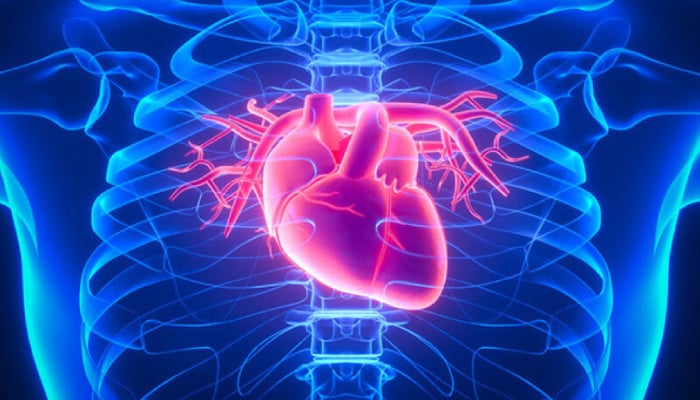
Heart failure is a common complication of heart conditions; collectively, cardiovascular diseases are the leading cause of death globally.
According to Medical Xpress, in heart failure, the heart does not pump blood well enough to meet the body's needs, causing a range of symptoms.
Jose Nativi Nicolau, M.D., a transplant cardiologist at Mayo Clinic in Florida, describes advances in detection and treatment.
He said, “The focus of heart failure diagnosis has changed a lot. Before, we used to wait for the symptoms to develop. The new approach is to diagnose heart failure before symptoms appear."
He explains just as prediabetes, higher blood sugar than normal, is addressed to prevent type 2 diabetes, and prehypertension, higher-than-normal blood pressure, may be treated to prevent hypertension, there is now a push to spot a "pre-heart failure" state.
Nativi said this includes identifying risk factors for heart failure, such as uncontrolled hypertension, diabetes, obesity, high cholesterol and tobacco use, and intervening before heart failure signs appear. This is stage A heart failure.
In stage B heart failure, there are changes to the heart muscle, but the patient is not experiencing symptoms.
At Mayo Clinic, artificial intelligence aids detection at this stage. Mayo is applying AI to electrocardiograms, also known as ECGs or EKGs, which are quick, inexpensive recordings of the electrical activity of the heart.
In stage C, patients experience symptoms, this is when people whose heart failure was not found earlier typically seek medical care.
This is commonly called congestive heart failure: Shortness of breath, fatigue and swelling are most common.
Stage D is advanced heart failure, when patients need more advanced therapies. They may be evaluated for open-heart surgery, heart transplant or mechanical heart pumps.