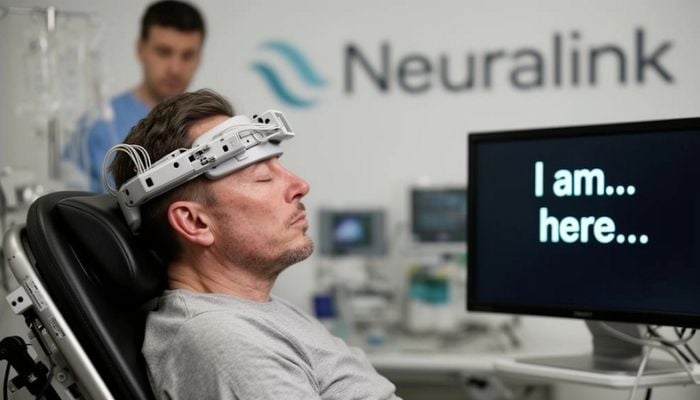
United States health regulators have officially approved Neuralink to launch a major clinical trial for its wireless brain implant.
The groundbreaking device is designed to allow people with severe physical limitations to control computers, smartphones and other digital tools using only their thoughts.
Focusing on ALS and severe paralysis
The upcoming study will specifically focus on patients living with severe paralysis caused by amyotrophic lateral sclerosis (ALS). Researchers aim to measure how accurately the brain chip translates neural signals into digital commands.
Alongside performance, the trial will closely monitor the implant’s long-term safety inside the human body.
Bridging the gap between mind and machine
Brain-computer interfaces work by reading electrical activity directly from the brain and sending that data wirelessly to external software.
For individuals who have lost the ability to speak or move their limbs, this technology could restore basic communication and digital independence without requiring physical movement.
What comes next for Neuralink
Securing regulatory approval marks a major milestone for Elon Musk’s neurotechnology company as it moves closer to broader medical applications.
However, experts emphasize that clinical testing is a lengthy process. The implant remains strictly experimental and has not yet been cleared for commercial sale or general public release.