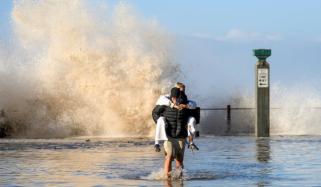
Once viewed as an extreme hobby, survivalism has quickly become everyday common sense across Europe. Following a wave of disruptive cyberattacks and coordinated bomb hoaxes in late 2026, millions of ordinary citizens are now stocking up on emergency supplies.
A wave of everyday disruptions
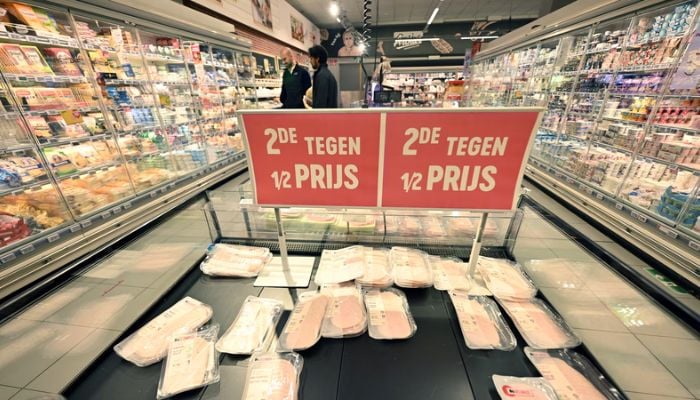
Recent incidents have exposed how easily daily life can grind to a halt. In October and November 2026, hackers targeted refrigeration systems across hundreds of European supermarkets, spoiling tons of fresh food.
Around the same time, waves of anonymous bomb threats forced evacuations at dozens of airports, newsrooms, and thousands of schools across the continent.
Although the bomb warnings turned out to be hoaxes, officials warned they were designed to spread fear and test public resilience.
Governments urge 72-hour readiness
In response, European leaders have moved emergency planning into the spotlight. In November 2026, the European Commission released new guidelines urging every household to maintain enough water, food, medicine and cash to survive on their own for atleast 72 hours.
Countries like Sweden, Poland, and Denmark have also expanded civil defense programs and distributed crisis booklets to families.
The new normal for families
Hardware stores and online retailers report surging demand for battery-powered radios, portable water filters and solar chargers.
Rather than building underground bunkers, today’s European preppers are practical commuters and parents preparing for short-term power outages, supply chain hiccups, or digital blackouts.