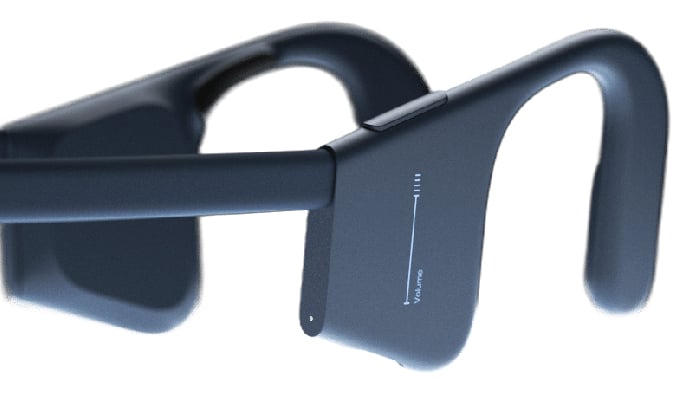
At the University of Cambridge, researchers have developed a new prototype device, like a set of headphones, but for balance disorders such as vertigo. The ear-worn technology helps people with dizziness and balance disorders rehabilitate at home.
It has now secured two major funding awards from UK Research and Innovation (UKRI) and the National Institute for Health and Care Research (NIHR) to help develop the prototype into a full medical device available worldwide.
Fifteen to twenty percent of the adult population suffer from dizziness and balance disorders. Head, eye and body exercises with specialist physiotherapists can help, but this kind of support following falls is only available in a third of NHS trust.
When patients are asked to complete vestibular physiotherapy at home without support, success is often limited. Many people wait years for before being treated.
In Cambridge, Professor Manohar Bance leads the SENSE Lab at the Department of Clinical Neurosciences, Cambridge University, investigating devices and treatments for hearing and balance.
This includes 'earables', custom built 3D printed headsets that measure gait and balance. His research team has now developed the eVRT system: an ear-worn device to measure balance that connects with an app measuring how the exercises are being performed. The app monitors patient progress, and therapists and clinicians can adjust the treatment.