Vitamin D plays an essential role in maintaining your bone health; however, it becomes an increasing concern for people in their 50s and beyond.
Bone loss increases with age, particularly during and after menopause, as per Dr. Bess Dawson-Hughes of Tufts University.
Women lose nearly 3% of their bone mass every year during menopause and for around five years afterward as estrogen levels drop.
After that, bone loss persists at roughly 1% every year. Men also start losing bone steadily at age 50, at nearly 1% every year.
Weaker bones increase the risk of fractures from falls, especially for hip fractures that rise sharply in individuals in their 70s and 80s.
Low vitamin D levels can significantly increase fall risk by affecting muscle strength and balance.
However, more supplements are not always better. Increased calcium can increase the risk of kidney stones, while very vitamin D levels have been associated with raised falls and fractures.
Vitamin D supplements are crucial to maintain healthy levels and decrease the deficiency.
According to the National Academies, women over 51 and men over 71 need 1,200 mg of calcium daily, while adults more than 70 need 20 mcg of vitamin D.
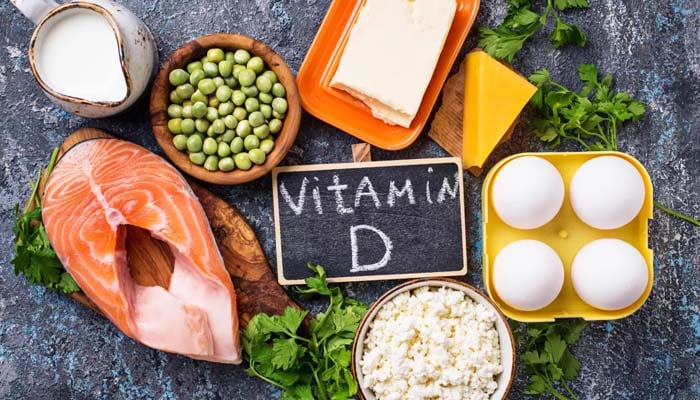
People can get dairy foods with calcium source, while sunlight provides vitamin D.
As appetite usually decreases with age, being mindful of nutrient consumption becomes increasingly important.