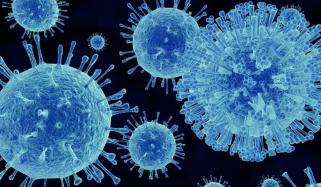
Winter illness season has started across the US, with COVID, influenza, and norovirus (“stomach bug”) all rapidly spreading in the country.
As per the wastewater and CDC data, many Americans are currently experiencing gastrointestinal and respiratory distress as holiday gatherings approach.
Norovirus is currently peaking nationwide. WastewaterSCAN data revealed a 42% spike in identified virus levels since November, and CDC testing suggested about 9% of recent tests were positive.
Norovirus cases usually spike in fall and peaks in winter. Common symptoms include nausea, vomiting, diarrhea, stomach pain, and sometimes fever or body aches.
The Northeast and South are officially in flu season, and flu infections are rising in 43 states. Symptoms include fever, cough, sore throat, body aches, congestion, and fatigue.
Significant fly-related cases are also spiking across the US due to influenza A virus.
Nearly 8% of recent flu tests were positive with rates surpassing 20% in parts of the Mountain West.
COVID-19 activity is increasing as well. Wastewater data shows high national activity with a 21% rise since November, while CDC data still classifies levels as low overall. The Northeast has the highest rates. Symptoms include fever, cough, shortness of breath, fatigue, congestion, and loss of taste or smell.
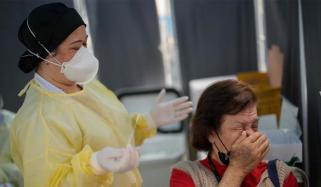
Health officials urged the nation to take precautionary measures, such as frequent handwashing, food safety, surface cleaning, and vaccination. Flu, COVID-19, and RSV vaccines are widely accessible at pharmacies, often covered by insurance, and remain the most effective way to prevent severe illness.