A recent study found that effective treatment for clogged arteries may differ for men and women, according to research published in the European Heart Journal.
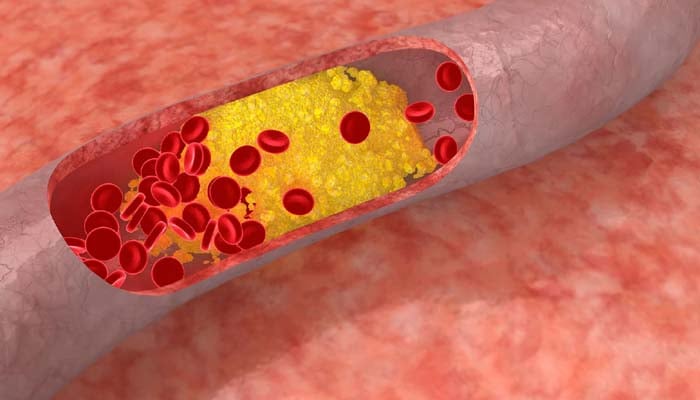
Women suffering from cardiac disorders undergo percutaneous coronary intervention (PCI)— a procedure that involves the placement of a stent inside the clogged arteries that are obstructed due to the accumulation of fat — also known as angioplasty.
However, scientists discovered that women may have better long-term outcomes with bypass surgery instead.
For the study, researchers showed that women who underwent angioplasty were nearly 30% more likely to die within a few years compared to people who underwent CABG, bypass surgery.
They were also at a higher chance of experiencing serious cardiac events such as strokes and heart attacks.
Despite this, women are half as likely as men to receive bypass surgery. Scientists stated that this age gap exists partly because women are underrepresented in major heart studies, making up to nearly 20-25% of participants in clinical trials.
For the research, researchers compared over 2,000 Canadian women who underwent PCI with a similar number who underwent bypass surgery.
Results indicated that nearly 36% of women who underwent PCI later experienced a major heart-related complication, compared to 22% of those who had bypass surgery.
Bypass surgery works by using a blood vessel from another part of the body to reroute blood flow around blocked arteries.
Researchers stressed the need for further studies ahead of treatment guidelines change. Currently, doctors should continue making individualized decisions depending on the condition of the patient.