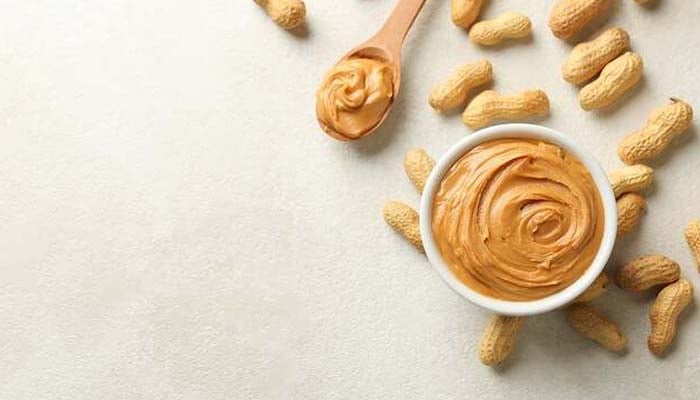
A recent study revealed that children with peanut allergies may not need high doses to build resistance, potentially minimizing adverse effects.
According to a study published in the Journal of Allergy and Clinical Immunology – In Practice, smaller maintenance doses can be similarly as effective as larger amounts.
In oral immunotherapy, children slowly consume increasing amounts of peanuts, aiming to improve their tolerance.
Lead researcher Dr. Julia Upton, head of immunology and allergy at The Hospital for Sick Children in Montreal, stated, “We were excited to find that peanut oral immunotherapy maintenance doses can be much lower than previously thought and still contribute to positive outcomes.”
For the study, researchers experimented with the effectiveness of maintenance dose of 30 milligrams and 300-milligram dose.
Scientists assigned 51 children to a low-dose, high-dose, or peanut-free group.
Both treatment groups showed similar enhancements in their allergic reaction thresholds, suggesting the effectiveness of small doses.
Children consuming reduced doses experienced fewer side effects, and the small amount makes it easier for picky eaters to continue treatment.
Senior researcher Dr. Thomas Eiwegger mentioned, “The minimum maintenance dose to provide benefit may be even lower than 30 mg.”
Scientists stated that findings provide families flexibility: some children may remain on very low doses, while others may gradually increase intake. Upton emphasized, “The more options we have, the more we can support patients’ experience and provide meaningful, tailored care.”