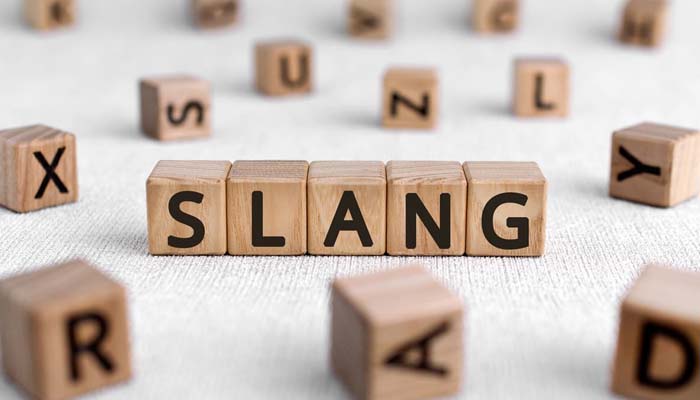
Language changes and evolves over time, with new terms becoming part of our collective vocabulary through pop culture and current events.
While we gain new words, some that have been around for as long as we can remember start to disappear. But when it comes to slang, things come and go at a much faster pace, as they get trendy, then go out of style just as quickly.
Every generation has its own way of communication, similarly slangs terms also vary across generations, reflecting the unique cultural and social contexts of each era.
The Silent Generation (1928-1945):
Silent Generation used phrases like "Groovy" to describe something excellent, while "Far out" expressed admiration or surprise. These terms were often used in a more subdued tone, reflecting the generation's values of modesty and reserve.
Baby Boomers (1946-1964):
Baby Boomers had their own lingo, with "Right on" showing agreement, "Psych" used to playfully deceive, and "Drag" describing something dull. This generation's slang was often tied to social movements and counterculture.
Gen X (1965-1980):
Gen X brought us "Fresh" for something cool, "Word" as a sign of truth, and "Rad" for awesome. This generation's slang was often casual and laid-back, reflecting their independent spirit.
Millennials (1981-1996):
Millennials popularized "Lit" for exciting situations, "True dat" for agreement, and "Lame" for uncool things. Their slang was often playful and adaptable, mirroring the rise of social media and internet culture.
Gen Z (1997-2012):
Gen Z uses terms like "Drip" for style, "Facts" for truth, and "Bruh" as a casual greeting. Their slang is often fast-paced and meme-driven, reflecting their digital nativeness.
Gen Alpha (2013-2025):
Gen Alpha is growing up with phrases like "Slaps" for something great, "No cap" for no lie, and "Gyatt" for wow. Their slang is still evolving, but it's already marked by creativity and internet influences.