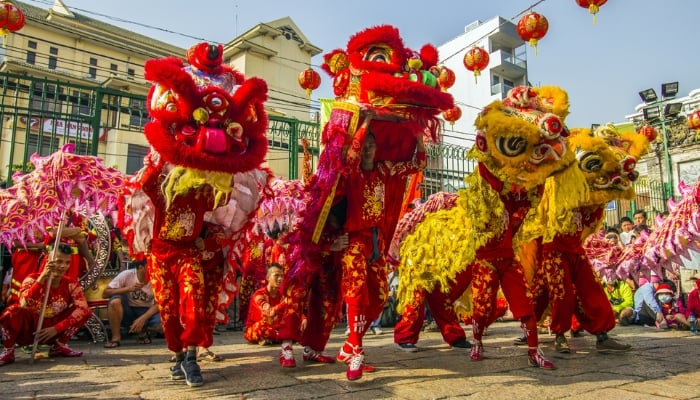
Chinese New Year 2026 will be celebrated across Asia on Tuesday, February 17, kicking off the year of the Fire Horse, which will last until February 5, 2027.
The special occasion revolves around removing the previous year's bad luck and gearing up to welcome good fortune, and in many cultures it is a period to take your mind off work and school and spend some quality time with your family.
While the term "Chinese New Year" is common, "Lunar New Year" has now become more widely used as an inclusive term to represent the various nations that celebrate at the same time.
While nations across East Asia and China celebrate the new year, it is also known as the Spring Festival, as it marks the beginning of the spring season and the end of winter in the traditional lunisolar Chinese calendar.
The 15-day festival is essentially saying goodbye to the past year, and just like the season of spring, it symbolises renewal.
Here are some key practices you need to do before the New Year to welcome good luck:
House Cleaning
It is a custom to thoroughly clean your house before New Year's Eve to remove "huiqi", or inauspicious breaths, from the previous year.
This also highlights sweeping away bad luck and making space for positive energy.
However, do not mop or clean your house on New Year's Day, as it is believed to wash away the incoming wealth and good luck.
The 'Fu' banner
Alongside decorating living spaces with red and gold colours, it is important to hang the character Fu (blessing/good fortune) upside down.
In Chinese, "upside down" (dao) sounds like "to arrive", signifying the arrival of blessings.
Moreover, houses can also be decorated with flowers. Orchids represent abundance and fertility, peach blossoms are for prosperity and growth, peonies for richness and peace, and plum blossoms stand for endurance and courage.
Wear Red on Lunar New Year
In addition to luck and being used to ward off evil, red symbolises vitality and happiness.
Purchase and wear new clothing to symbolise a fresh start.
Give and receive red envelope
One of the most prominent traditions during the Chinese New Year is passing red envelopes, known as Hóngbāo, packed with money, especially to the younger generation or unmarried younger relatives.
While the amount does not matter, it should be an even number, as it is linked with good luck.
Pro tip: Avoid four since in Chinese the number is a homonym for "death".
Eat Symbolic food
A number of dishes are considered lucky, either because of their names, appearance, or nature.
The Chinese word for yu, sounds like the word for "abundance", while Tangerine in Chinese sounds like "luck" and orange sounds like "wealth".
Long noodles symbolises a long life while dumplings are made to resemble gold or silver ingots, a unit of currency in ancient China.
Don't of Chines New Year
On the other hand, you need to avoid arguments and crying, as tears on the first day of the spring festival mean tears for the whole year.
Also avoid bathing and cutting hair, as hair in Chinese fa is the same word in the phrase fa cai, meaning to become wealthy.
Even if you don't celebrate the Chinese New Year in the traditional sense, this could also mark a new start and a renewal point if you forget to get on your 2026 goals on January 1st!
So, best of luck and Xīn Nián Kuài Lè!!!