Korean Air triggers emergency management mode in latest move as fuel prices soar globally.
The South Korean aviation industry is currently reacting to the economic shockwaves of the conflict in the Middle East.
Since the start of the US-Israel war on Iran on February 28, Brent crude oil has risen by over 50%, exceeding $110 a barrel, while jet fuel prices reached nearly $200 per barrel by March 20, more than doubling since February.
Given the ongoing regional conflict, South Korea is particularly vulnerable to energy supplies as it relies heavily on oil and gas from the Gulf.
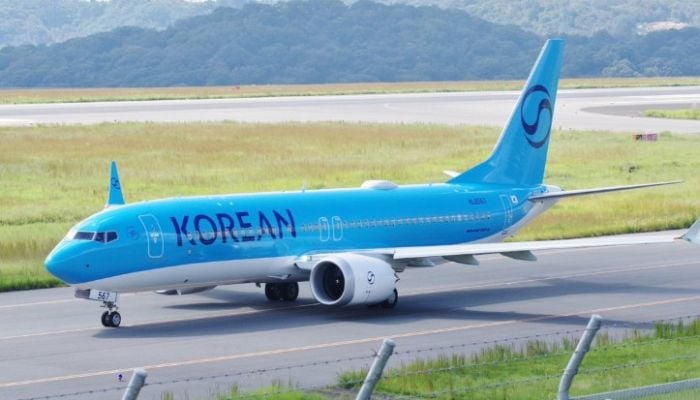
Consequently, the nation’s major carriers—including Korean Air, Asiana Airlines, and Busan Air—have entered emergency management mode.
As of Tuesday, energy prices continue to edge upward, with Brent crude trading at over $113 per barrel.
In response, Korean Air Vice Chairman Woo Ki-Hong told staff members, "We plan to switch to an emergency management system in April to prepare for rising costs due to a surge in fuel expenses.”
The moves are "not merely a one-time cost-cutting initiative but rather an opportunity to strengthen our structural foundation," the vice chairman added.
The airline is pursuing company-wide cost efficiency through measures tied to oil prices.
To this end, the airline is transitioning to an emergency management system starting in April to buffer against rising expenses.
With reference to that, the company's leadership also views these shifts as reinforcing the airline's long-term resilience.
Korean Air says it is moving into emergency management mode to buffer the impact of surging jet fuel costs as the global economy is rocked by the ongoing US-Israel war with Iran.
Notably, the reason South Korea is particularly at risk is due to its heavy reliance on oil and gas imports from the Gulf region.
As reported, it is the latest Asian airline to announce measures to deal with the economic impact of the Iran war.