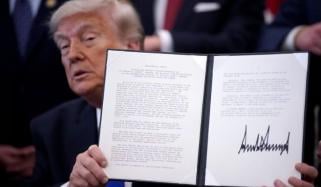
The United States and Iran have officially entered a two-week ceasefire brokered by Pakistan following nearly forty days of intense military conflict.
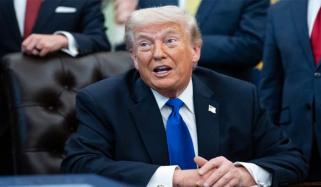
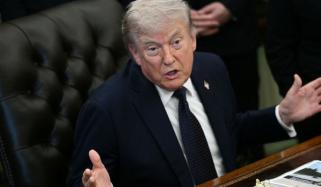
The agreement announced just before a deadline set by US President Donald Trump aims to pause hostilities and reopen the strategic Strait of Hormuz for international shipping.
While both Washington and Tehran have labelled the truce a significant victory, the agreement has already faced immediate friction due to the ongoing fighting in Lebanon.
A major point of contention involves the scope of the ceasefire.
While mediators indicated that the deal should encompass regional tensions, Israeli Prime Minister Benjamin Netanyahu has firmly rejected this, stating that “there would be no situation in which a ceasefire with Iran would be carried over into Lebanon.”
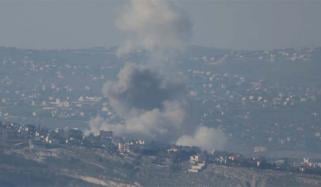
Consequently, Israel has continued its largest coordinated wave of airstrikes against Hezbollah targets in Lebanon.
In response to these persistent attacks, Iran’s leadership has issued a stern warning suggesting it may withdraw from the US-brokered agreement if Israel does not halt its military actions in Lebanon.
As the situation remains highly volatile, officials now fear that this “fragile truce” could collapse if diplomatic efforts fail to reconcile these conflicting positions.