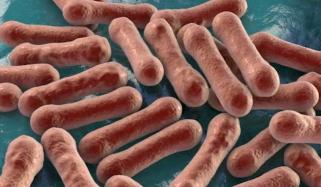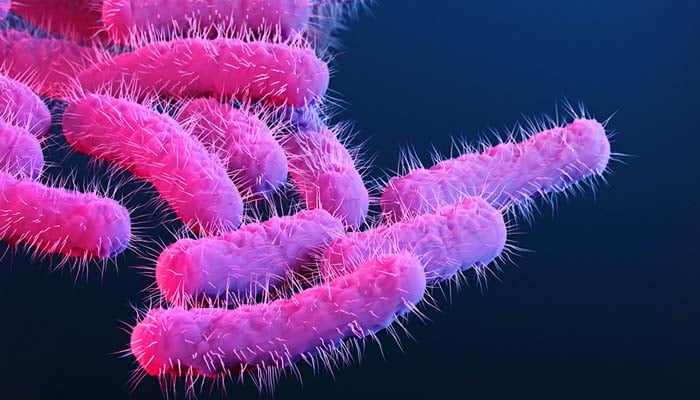
Cases of drug-resistant Shigella infection are significantly increasing across the United States, prompting health concern from authorities.
As per CDC, cases surged from virtually 0% between 2011 and 2015 to 8.5% in 2023, underscoring an increasing public health threat.
Shigella treatment
Treating drug-resistant Shigella has become increasingly difficult. The CDC mentioned that all the FDA-approved oral antibiotics remain ineffective against some of these resistant strains, making prevention and early detection crucial.
Is Shigella dangerous?
While many infections resolve on their own, drug-resistant forms can lead to severe illness, prolonged symptoms, and complications, especially in vulnerable individuals.
Shigella symptoms
Shigella symptoms include diarrhea, stomach cramps, fever, nausea, and a continuous urge to pass stool.
Its symptoms typically last up to a week. If left untreated, the complications become more severe in resistant cases.
Notably, Shigella’s symptoms often appear one to three days following exposure, though it’s incubation period depends on the individual’s immune response.
How is Shigella transmitted?
The infection is transmitted via contaminated food, water, or direct person-to-person contact, often due to poor hygiene.
Can Shigella kill you?
Although there are very few cases reported of death, severe untreated cases—especially drug-resistant ones—can become fatal.
Where is Shigella found?
Shigella is commonly found in areas with poor sanitation but is increasingly reported in developed countries, including the US.