Ebola Virus Disease is one of the rarest viruses that may even become a life-threatening illness due to complications if not treated promptly.
Initially, the disease was identified in 1976, it primarily affects humans and non-human primates and continues to cause sporadic outbreaks, mainly in parts of Africa.
Although uncommon worldwide, it remains a public health concern due to its high fatality rate.
Ebola virus symptoms
Ebola virus symptoms include flu, fever, headache, muscle pain, fatigue, and sore throat.
As the infection progresses, it may lead to vomiting, diarrhea, skin rash, and impaired kidney and liver function.
How Ebola virus is transmitted?
Ebola virus transmits direct contact with infected body fluids such as blood, sweat, vomit, urine, saliva, or semen.
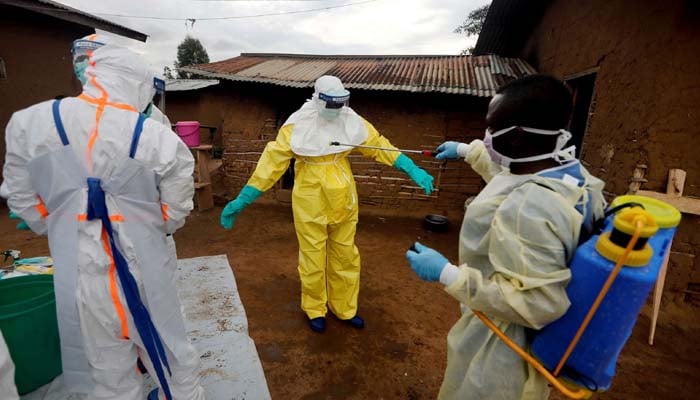
To prevent the spread of his disease, people are urged to keep their surfaces clean, avoid close contact with persons having symptoms and infected individuals.
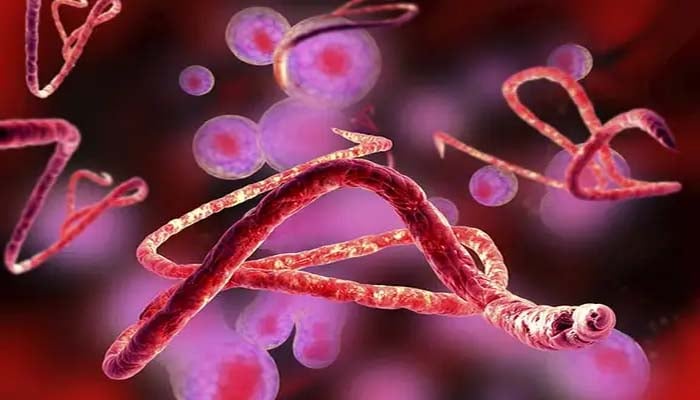
Ebola virus treatment
Though, there is no certain treatment for the Ebola virus but early treatment enhances survival. Supportive care includes oxygen therapy, intravenous fluids, and electrolyte management.
Furthermore, approved monoclonal antibody treatments can assist target the virus and minimize the mortality rates.
Ebola is not considered a constant global threat; however outbreaks keeps occurring periodically, primarily in Central and West Africa, currently a new Ebola outbreak has been confirmed in Congo’s Ituri province, with health officials urging everyone to take precautionary measures.
It is pertinent to mention that Ebola remains a dangerous disease, progression in medical treatment and outbreak control have significantly enhanced survival rates.
Early detection and timely medical care is the perfect key to manage the infection effectively.
Notably, the World Health Organization (WHO) has declared an Ebola outbreak in the Democratic Republic of the Congo (DRC) and Uganda a "public health emergency of international concern".