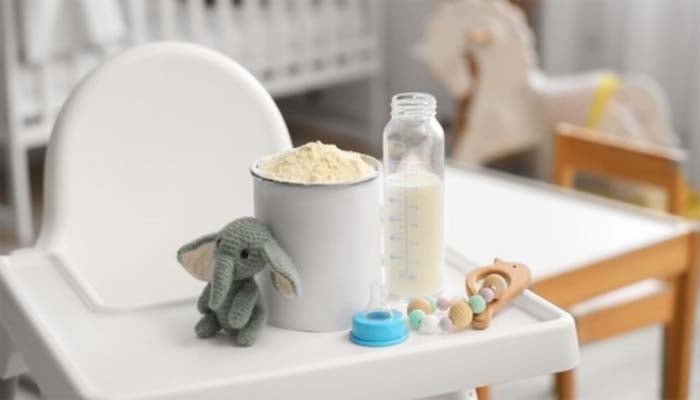
The US Food and Drug Administration stated samples of tested infant formula accessible across the country contained reduced levels of contaminants, confirming that the nation’s supply of infant formula is safe for consumption.
The agency experimented over 300 samples across 16 infant formula brands sold across the nation.
It is screened for contaminants, including heavy metals such as arsenic, cadmium, lead and mercury, pesticides, synthetic chemicals, and phthalates.
The majority of samples had undetectable or very low levels of contaminants, the agency stated.
Health Secretary Robert F. Kennedy Jr. has pushed to minimise chemicals in foods and launched a nutrient review of infant formula last year.
As of February, the US recorded 28 confirmed infant botulism cases associated with ByHeart formula, the first such outbreak tied to infant formula globally, the FDA had said.
While overall contaminant levels were reduced, some samples initiated extra testing, the FDA stated.
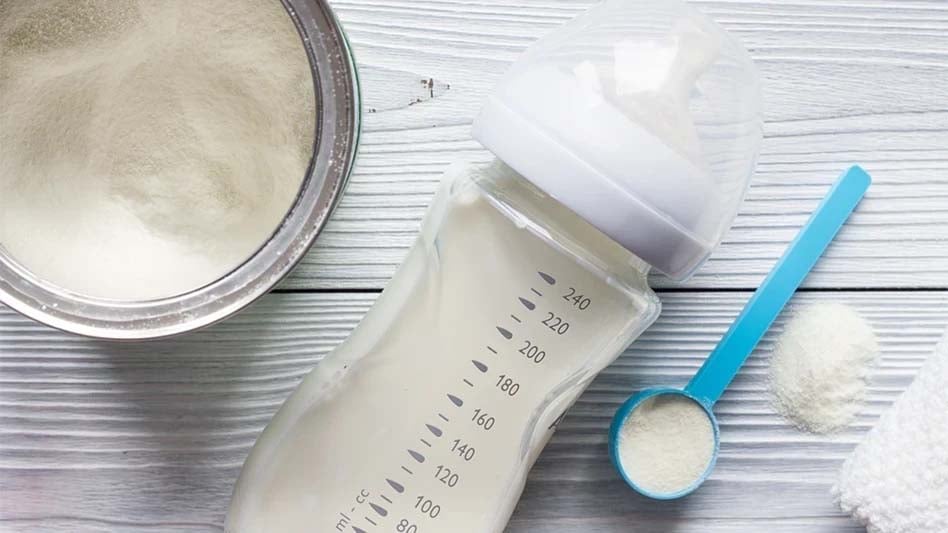
The regulator tested powders, ready-to-feed liquids and concentrated liquids.
Mercury was not detected in 95% of samples, lead was not detected in 20% of samples, 99% of samples had no identifiable pesticides and most PFAS compounds were not discovered.
Furthermore, the agency experimented on a small number of human milk samples, finding that most contained at least one detectable contaminant, while 15% showed none.
Small amounts of contaminants can occur naturally in foods, including infant formula and breast milk, or enter through environmental exposure during production.
Manufacturer of Similac, Abbott, stated, "Producing infant formula at scale in the U.S. is a matter of national security, and these results affirm the safety of our domestic supply," adding its U.S. formulas meet heavy metal limits set by the EPA, the European Commission and Health Canada.