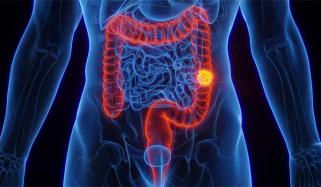
A recent study found an alarming trend of significantly increasing rates of colorectal cancer deaths as compared to colon cancer among younger Americans.
Scientists warned the trend will continue to escalate without a major shift in treatment.
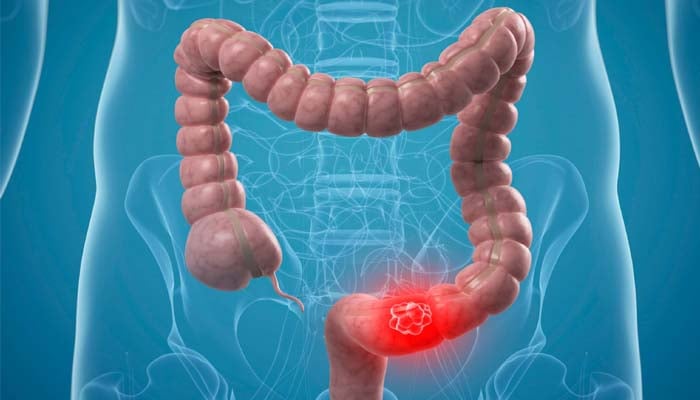
As per study presented at Digestive Disease Week 2026 in Chicago, colorectal cancer’s mortality rates are seeing a sharp spike two to three times faster than those for colon cancer among adults aged 20 to 44.
Meanwhile, rectal cancer mortality rate in people aged 35 and 44 is projected to escalate through 2035.
For the study, scientists analyzed Centers for Disease Control and Prevention (CDC) death records from 1999 to 2023.
A machine learning analysis discovered the mortality gap between colon and rectal cancer is widening across all demographics. Hispanic adults and people in Western regions saw a great spike in rectal cancer deaths.
A major concern is delayed diagnosis in youngsters, who are increasingly developing aggressive rectal cancers at earlier ages. While older people start treatment within a month, younger patients experience an average seven-month delay.
Rachel Gordon, M.D., a New York-based colorectal and general surgeon at Episcopal Health Services, stated, "Young people are being diagnosed with rectal cancers at increasingly younger ages — and often at more advanced, aggressive stages of disease."
Colorectal cancer symptoms
Colorectal cancer symptoms include rectal bleeding or bowel changes are often dismissed as minor issues, contributing to late detection.
Several major contributing factors include diet and gut microbiome changes that also play a role.
Scientists stressed the need for screening, as rectal cancer is driving the rise in colorectal cancer cases and could worsen without timely action.