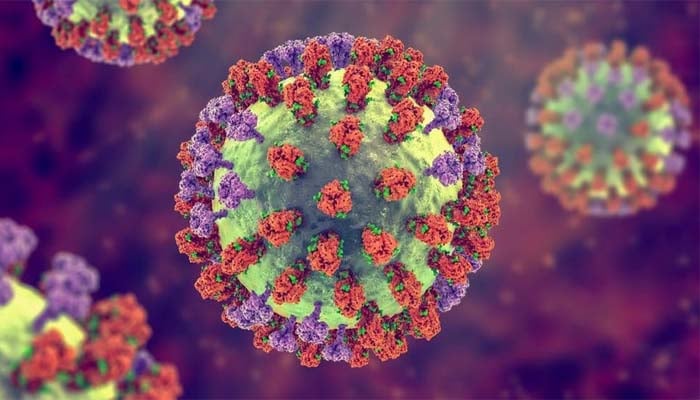
A poliovirus strain has been identified in Australian wastewater for the first time after decades, triggering a spike in testing to detect the disease.
During the national polio surveillance last month, the strain was discovered in a wastewater sample taken from a Perth wastewater catchment.
In response, the Western Australian Government has significantly surged testing to weekly at the inner city Subiaco wastewater plant for the next six months.
It is pertinent to mention WA Health will work along with doctors, aiming to strengthen existing systems for the timely identification of the debilitating disease in hospitals across Australia.
Australia was declared polio free from 2000, with the last case acquired locally in 1972.
The Australian Centre for Disease Control (CDC) called the discovery “significant”, but stressed there was no evidence of the disease spreading in Australia.
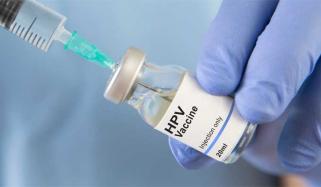
As per CDC, poliovirus is a highly contagious viral disease that may cause immobility issues and may even lead to death, and while the risk of contracting the disease is low, vaccination plays an essential role in preventing it.
CDC Director-General Zoe Wainer stated, “No cases of polio have been identified, and there is no evidence of local transmission.”
“Australia remains polio-free, but this is a timely reminder to check that you and your children are up to date with routine vaccinations,” she added.