Three passengers on a cruise ship in the Atlantic Ocean have died after a suspected hantavirus outbreak.
According to The Guardian, the outbreak was reported on the polar cruise ship MV Hondius, which was travelling between Argentina and Cape Verde.
The WHO said at least one case of hantavirus had been confirmed, with one patient in intensive care in a South African hospital. Two of those who died were a couple from the Netherlands.
What is hantavirus?
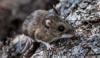
Orthohantaviruses, more commonly known as hantaviruses, are a group of viruses primarily found in rodents, but which can infect humans.
As per Prof Adam Taylor of Lancaster University, there are at least 38 recognised species of hantavirus globally, 24 of which cause disease in humans. Rodents such as mice, rats and voles are the natural reservoirs for the viruses.
Dr Yomani Sarathkumara, a postdoctoral research fellow at the University of Queensland, said hantavirus infections were “really rare in humans”, and were often misdiagnosed in tropical countries as other infections, such as leptospirosis, which is also spread by animals.
Hantavirus symptoms and spread:
Hantaviruses are spread to humans via inhalation of or contact with infected rodent faeces, urine and saliva, or, more rarely, through bites and scratches from contaminated animals.
Balasubramaniam said, ““New world hantaviruses cause really rapidly progressive pulmonary syndrome and respiratory failure.”
Early on, an infection may cause flu-like symptoms such as fever, fatigue and muscle aches, which makes “early diagnosis really difficult.”