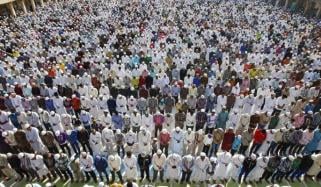
Muslims across the globe are marking the most auspicious occasion of Eid ul Adha today, with the most important festival in Islam, marked by prayer, sacrifice, charity, and family gatherings, known as the “Festival of Sacrifice.”
Eid ul Adha honors the devotion of the Prophet Ibrahim, who was willing to sacrifice his son in obedience of the Almighty Allah’s orders before a sheep was replaced by it.
The Islamic festival is marked on the 10th day of Dhul Hujjah, the final month of the Islamic lunar calendar and coincides with the annual Hajj pilgrimage in Mecca.
Mostly all parts of the world are celebrating the occasion today, greeting each other with "Eid Mubarak" exchanging gifts and meat, with some preparing to celebrate the event by tomorrow.
Eid ul Adha traditions and customs
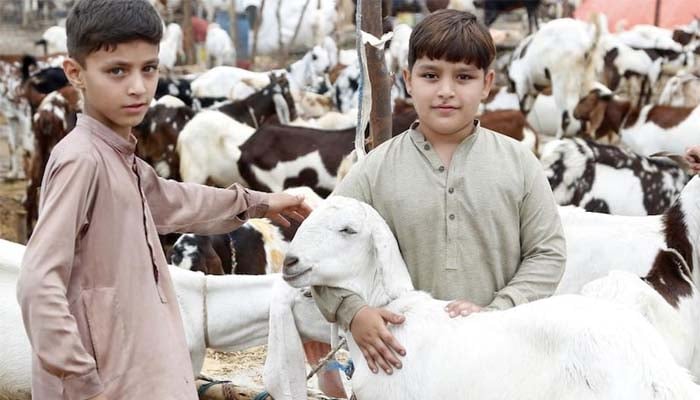
One of the most significant rituals of Eid ul Adha is Qurbani, when muslims sacrifice an animal such as a goat, sheep, cow, or camel.
The meat is traditionally divided into three parts for family, relatives and friends, and those in need, underscoring the values of generosity.
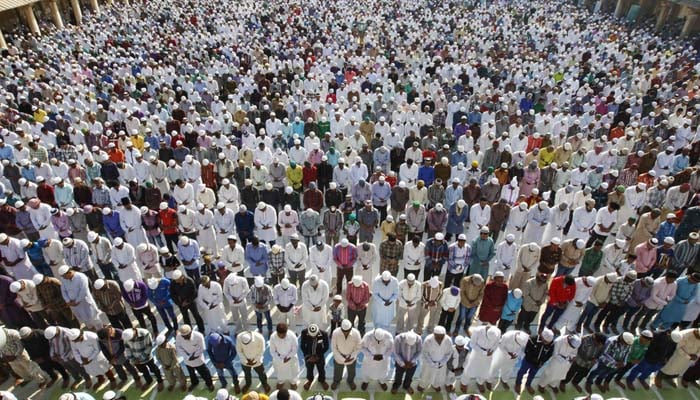
The blessed day kicks off special Eid prayers at mosques before gathering with loved ones to mark the occasion.
The spirit of giving
Charity remains the most integral part of Eid ul Adha celebrations. Families donate money, food, and essentials to the underserved people, ensuring everyone can enjoy the auspicious occasion.
Beyond celebrations, Eid ul Adha serves as a reminder of faith, sacrifice, unity, and kindness within communities globally.