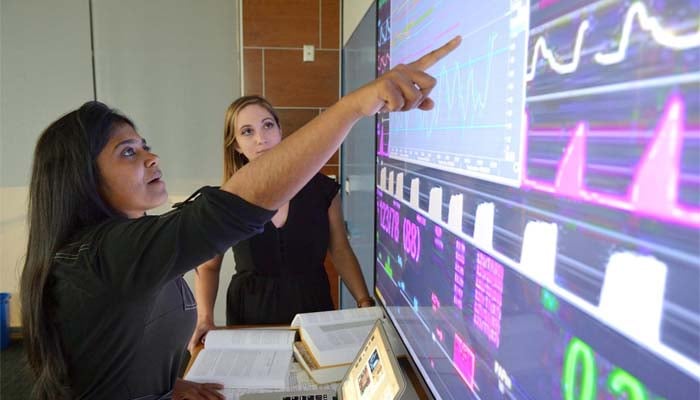
The US Food and Drug Administration (FDA) has approved an artificial intelligence (AI)-centric early warning system, which is particularly designed to identify sepsis faster as compared to the conventional methods.
Developed at John Hopkins University, the technology detects sepsis hours before usually suspecting it, assisting hospitals to enhance survival rates.
The system, called Targeted Real-Time Early Warning System (TREWS), was created by researcher Suchi Saria and her team after she lost her nephew to sepsis in 2017.
The advanced AI tool analyzes patients’ electronic health records in real time and can detect warning signs within 48 hours earlier than standard clinical methods.
Sepsis is a life-threatening immune response to infection that kills over 350,000 people annually in the United States, as per CDC.
Since every hour of delayed treatment lowers survival chances, earlier detection can provide better results.
The cutting-edge artificial intelligence (AI)-powered system has already been used in hospitals including the Cleveland Clinic and the University of Rochester School of Medicine, where it minimised in-hospital deaths and shortened patient stays.
Scientists stated the FDA approval marks a significant milestone for clinical AI in healthcare. Healthcare systems using it may qualify for Medicare and Medicaid reimbursement under programs supporting advanced medical technologies.