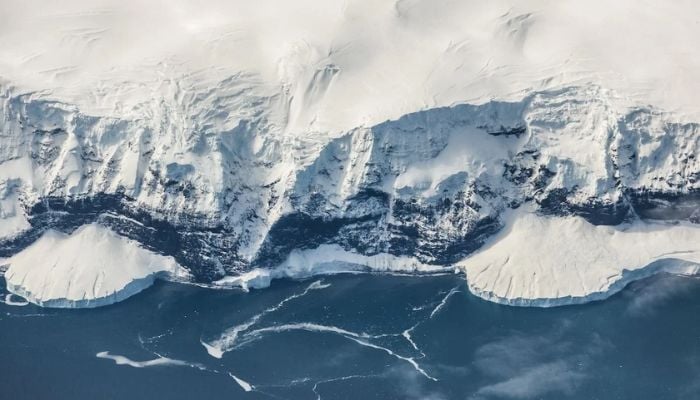
Scientists have finally mapped the elusive “Marginal Ice Zone” (MIZ) of the Southern Ocean, providing the clear look at this critical region.
Published in Nature Communications on May 29, 2026, the Australian-led study reveals that approximately 16 percent of Antarctic sea ice is actively shaped by powerful ocean waves.
Researchers from the University of Tasmania used advanced satellite radar to analyze wave patterns over a 12-year period. Unlike older methods that used guesswork to define the MIZ, this approach directly measures how waves and swells from the open ocean break up sea ice.
The study found that this zone forms a ring around Antarctica stretching between 35 and 180 kilometers wide.
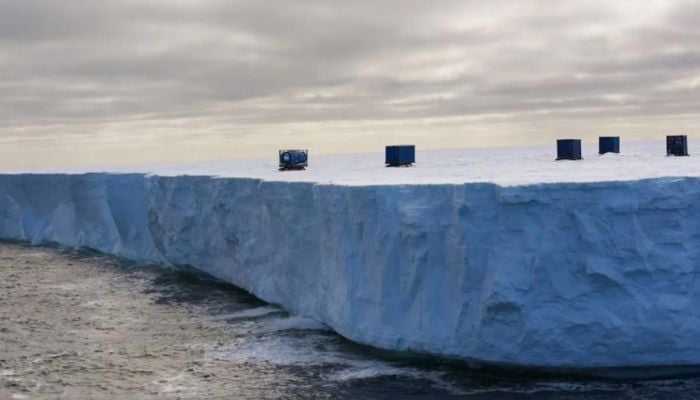
This discovery is vital for understanding why Antarctic sea ice has declined so sharply since 2016. According to lead author Alex Fraser, the MIZ acts as a gatekeeper:
“When sea ice isn’t affected by waves, it forms a more complete ‘cap’ on the ocean, limiting the exchange of heat, moisture and gases with the atmosphere.”
When waves shatter this cover, they create gaps that accelerate these exchanges. Fraser added:
“The MIZ is also important for shielding inner-pack ice from waves and for sustaining marine life when meltwater at the retreating ice edge supports strong phytoplankton blooms that feed krill and in turn, penguins, seals and whales.”
The findings will help guide future research including an upcoming 2028 icebreaker voyage to investigate these changing waters.