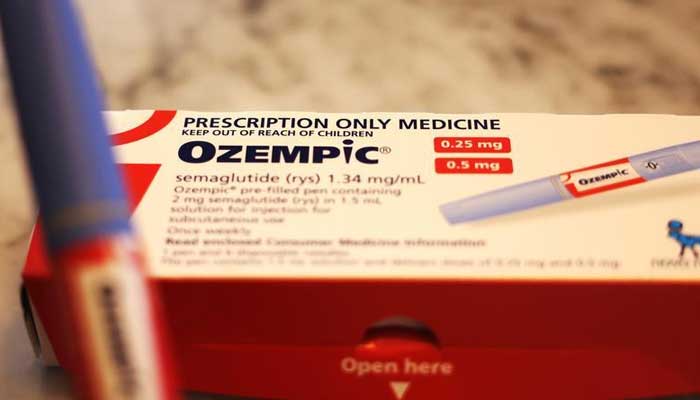
Australia's Therapeutic Goods Administration (TGA) has warned regarding a rare but serious eye condition possibly linked to GLP-1 receptor agonist drugs such as Wegovy, Mounjaro, Ozempic, Saxenda, Trulicity.
These drugs are prescribed to treat type 2 diabetes and obesity.
Rare risk of vision loss
The regulator stated the drug may be associated with non-arteritic anterior ischaemic optic neuropathy (NAION), a condition caused by minimised blood flow to the optic nerve.
NAION typically develops suddenly, often upon waking, and can result in permanent vision loss or blindness. According to the TGA, there is currently no treatment proven to restore vision once the condition occurs.
Patients consuming GLP-1 medications are strongly recommended to seek urgent medical attention and stop using the drug if they experience sudden changes in vision.
Reports and research
The TGA stated 36 cases of NAION associated with GLP-1 drugs have been reported in Australia’s adverse events database.
Of these, 23 involved semaglutide (Ozempic/Wegovy), 10 involved tirzepatide (Mounjaro), and three involved liraglutide (Saxenda).
The TGA later conducted its own review and consulted the Advisory Committee on Medicines before issuing the updated safety advice.
The warning comes after research published in JAMA Ophthalmology in 2024, which discovered that people described semaglutide had a significantly increased risk of developing NAION instead of using other diabetes drugs.
Experts urge calm
Despite the warning, eye health experts stress that patients should not stop taking their medication without medical advice. Optometry Australia recommends continuing treatment unless vision changes occur, while maintaining regular eye examinations.
Vision scientist Dr Flora Hui stated, “"There is a small risk of developing NAION with these drugs so making informed choices are important, especially if you have many of the risk factors associated with NAION."
Meanwhile, University of Melbourne researcher Professor Garron Dodd said current evidence does not conclusively prove GLP-1 drugs cause the condition, as many users already have underlying risk factors. He advised patients to discuss any concerns with their healthcare provider rather than stopping treatment abruptly.