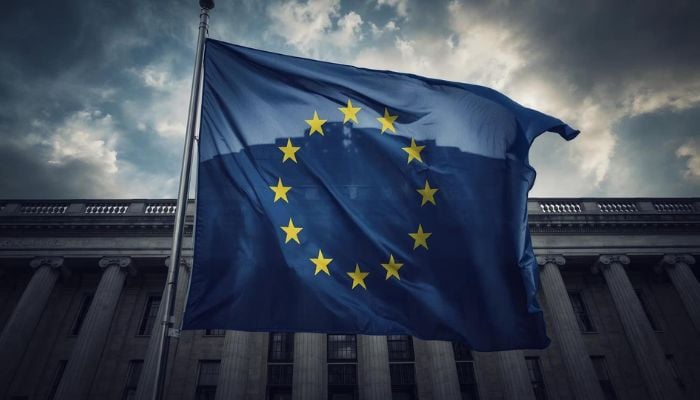
The European Union is preparing to introduce new rules to limit how children interact with social media. On Monday, July 13, 2026, European Commission President Ursula von der Leyen announced that a formal proposal for these restrictions will be presented later this year.
A phased approach to digital safety
Rather than a total ban, the EU is focusing on “phased and gradual” access. The goal is to ensure that digital platforms are safe before they are used by minors. Officials compared this to real world safety standards with von der Leyen stating:
“Just as we don’t give our children keys to the car before they have their license, or we do not let them buy alcohol until they are legally allowed. We need to set the age at which they can, the children can, legally access social media.”
Expert recommendations
An expert panel consisting of doctors, parents and academics recently provided the Commission with safety guidelines. Their report suggests that babies and toddlers should have no screen time, while children aged three to 12 should only “age-appropriate” platforms under strict supervision.
For those aged 13 to 18, the panel suggests “evolving autonomous use” of sites that feature strong safety measures.
Holding tech companies accountable
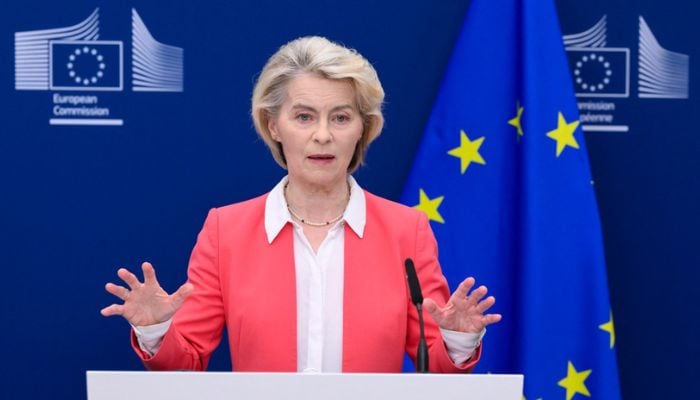
A core part of the upcoming legislation is shifting the responsibility to tech companies. Platforms will be required to prove their services are not harmful to developing brains. Regarding their burden of proof, the expert report emphasized, “the burden of proof needs to be on providers, not regulators, parents and children.”
Protecting childhood
The Commission aims to protect the identity and well-being of young people from being shaped by algorithms. Highlighting this need, von der Leyen explained, “Our children need time in the real world. Time to play, time to build friendships, time to make mistakes. Time to shape their own identity, their own personality, before an algorithm shapes them instead.”