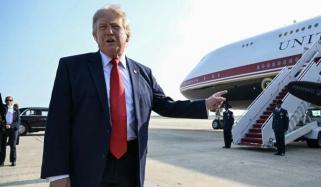
President Donald Trump signed executive orders imposing new 50% tariffs on roughly $20 billion worth of Canadian imports. Set to take effect on August 19, the steep import taxes target a wide range including wine, timber, textiles and cement, while excluding energy, fish and critical minerals.
Trade dispute triggers
The White House justified the duties by pointing to long-standing trade disagreements over automobiles, alcohol and dairy products. U.S.
Trade Representative Jamieson Greer stated that Canada “has taken U.S. alcohol products off Canadian shelves, given better market access to dairy products from the European Union and has put a cap on U.S. vehicle exports to Canada.”
Using Section 338
To launch the duties, Trump tapped Section 338 of the Tariff Act of 1930. This rarely used provision allows the U.S. government to penalize foreign countries found to discriminate against American trade.
Notably, the new tariffs apply even to products previously protected under the regional U.S.-Mexico-Canada Agreement (USMCA).
Canada’s official response
Canadian officials defended their policies and called for dialogue. Prime Minister Mark Carney affirmed that Ottawa “stands ready to engage intensively to address outstanding issues,” noting that “Canada, as is its right, has merely matched those measures” after initial U.S. trade actions.

Taking a harsher tone, Ontario Premier Doug Ford called for direct retaliation arguing Canada should “respond tariff for tariff, dollar for dollar.”
What happens next
The 30-day delay before enforcement leaves room for fast-tracking negotiations. Business groups are urging both countries to use the window to make “meaningful progress in advancing formal talks” before consumers and businesses suffer.