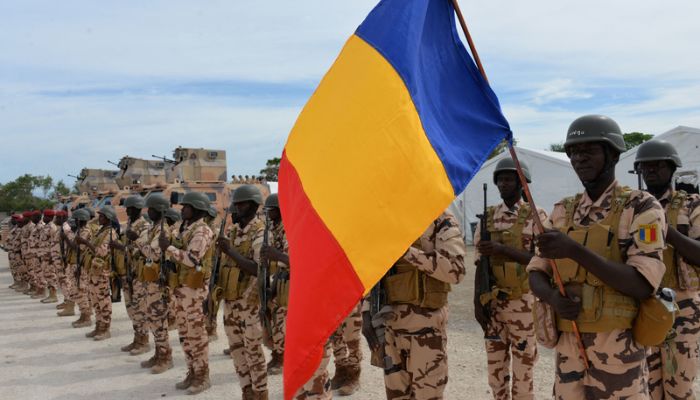
El Salvador is sending over 2,000 soldiers to Haiti to reinforce international security operations and track down four Salvadoran military aviation technicians kidnapped by gangs.
Salvadoran President Nayib Bukele authorized the massive troop deployment following a high-stakes telephone conference with Haitian Prime Minister Alix Didier Fils-Aime.
High-stakes search and rescue operation
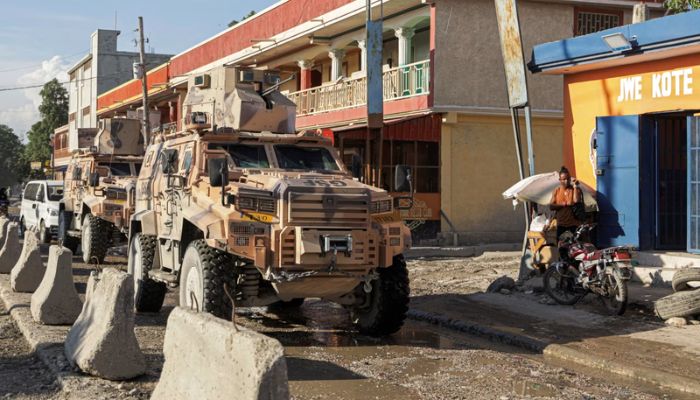
The crisis erupted after heavy gang fire targeted a military armored vehicle operating in gang-controlled territory east of Port-au-Prince. Four Salvadoran technicians went missing during the attack.
Armed groups launched additional fire upon responding rescue helicopters, further destabilizing the zone. Salvadoran forces are currently executing targeted sweep operations alongside local Haitian police in high-risk suburban districts like Bon Repos to reclaim lost territory.
Regional pressure to restore stability
Haiti faces severe political collapse and widespread lawlessness, with violent criminal syndicates controlling major transit corridors and vast sectors of the capital.
Millions of residents urgently require humanitarian assistance as gang clashes drive record displacement across the country.
President Bukele, renowned for his hardline domestic crackdown on gang cartels in El Salvador, reaffirmed his commitment to helping stabilize Haiti. United States defense aircraft helped transport Salvadoran military contingents into the region to speed up deployment times.
International security representatives emphasize that criminal factions are actively testing foreign coalition forces to force negotiations, making this military intervention a pivotal moment for regional stability.