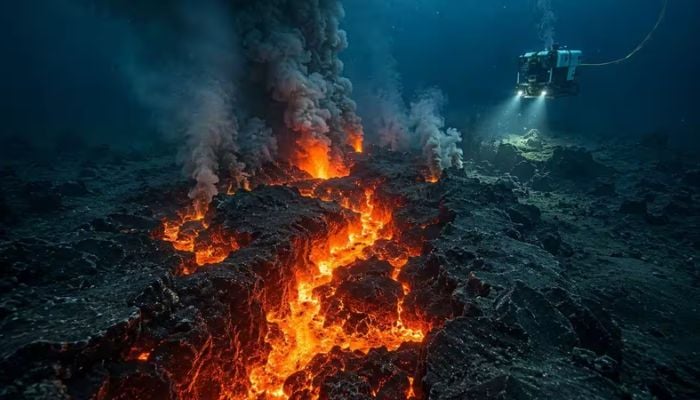
Scientists have discovered evidence of the world’s deepest explosive volcanic eruption more than 20,000 below feet the ocean’s surface. The groundbreaking find was made along the walls of the Challenger Deep in the Mariana Trench – the deepest known point on Earth.
An unexpected deep-sea surprise
Using the remotely operated submarine robot Jason/Medea, researchers spotted unusual, thin layers of shattered volcanic rock known as pyroclastic deposits.
These rocks are formed by violent, explosive eruptions of scorching gas and ash, similar to the blast that buried ancient Pompeii.
Published in the journal “Frontiers in Earth Science,” the study marks the deepest documented evidence of explosvie volcanism ever found in the ocean.
Defying extreme ocean pressure
The discovery has stunned geologists. Study co-author Dr. Robert J. Stern from the University of Texas at Dallas noted that volcanic activity rarely occurs so close to a trench, where the Earth’s mantle is typically too cool to melt.
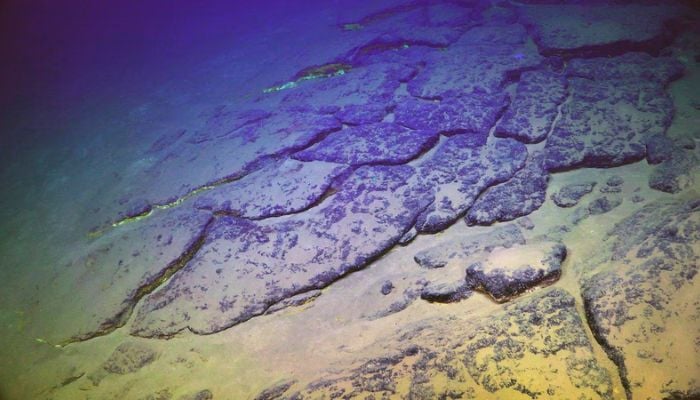
Furthermore, the crushing water pressure at 20,000 feet usually stops magma gases from expanding, preventing violent explosions and forcing lava to ooze out slowly instead.
Rewriting Earth’s geological rules
To trigger an explosion under such immense pressure, the magma must have possessed unique chemical properties and unusually high temperatures.
While scientists have not yet pinpointed the exact volcanic vent, geological clues suggest the eruption happened relatively recently. Researchers say studying these mysterious rocks will help explain how deep ocean trenches form and reshape our understanding of underwater volcanoes.