As people age, their immune system weakens but now researchers have found a way to temporarily boost its function.
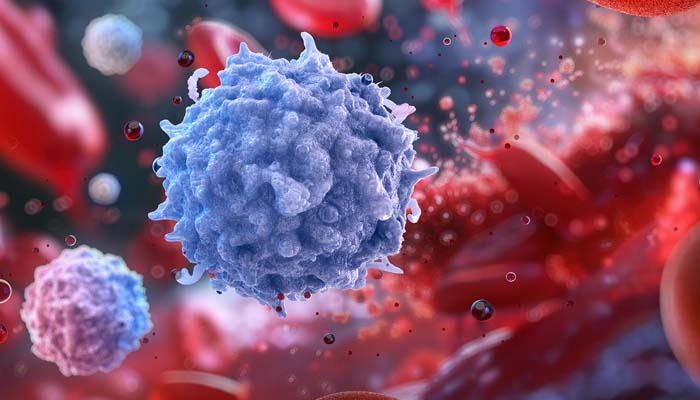
According to NewsMIT, as we get older T cell populations become smaller and cannot react to pathogens as quickly, making people more susceptible to a variety of infections.
To try to overcome that decline, researchers at MIT and the Broad Institute have found a way to temporarily program cells in the liver to improve T-cell function. This reprogramming can compensate for the age-related decline of the thymus, where T cell maturation normally occurs.
Using mRNA to deliver three key factors that usually promote T-cell survival, the researchers were able to rejuvenate the immune systems of mice. Aged mice that received the treatment showed much larger and more diverse T cell populations in response to vaccination, and they also responded better to cancer immunotherapy treatments.
If developed for use in patients, this type of treatment could help people lead healthier lives as they age, the researchers say.
“If we can restore something essential like the immune system, hopefully we can help people stay free of disease for a longer span of their life,” says Feng Zhang, the James and Patricia Poitras Professor of Neuroscience at MIT, who has joint appointments in the departments of Brain and Cognitive Sciences and Biological Engineering.
The thymus, a small organ located in front of the heart, plays a critical role in T-cell development. Within the thymus, immature T cells go through a checkpoint process that ensures a diverse repertoire of T cells. The thymus also secretes cytokines and growth factors that help T cells to survive.
However, starting in early adulthood, the thymus begins to shrink. This process, known as thymic involution, leads to a decline in the production of new T cells. By the age of approximately 75, the thymus is greatly reduced.