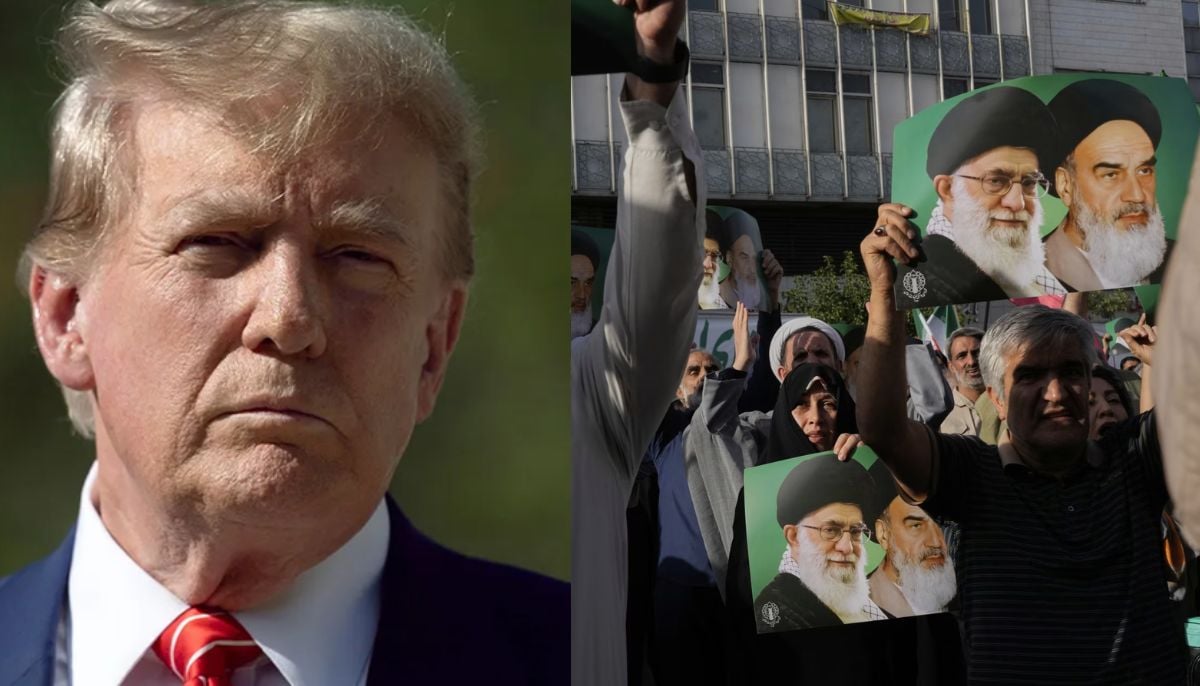
Tensions in the Middle East reached a fever pitch on Tuesday as Iran's leadership formally rejected any possibility of negotiations with US President Donald Trump, vowing instead to escalate its military response.
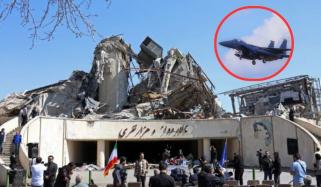
Following a series of devastating joint US-Israel airstrikes that began in late February, Tehran has signaled it will rely on its "powerful missiles" to strike back.
Foreign Minister Abbas Araghchi dismissed President Trump's recent claims that the conflict would end "soon," stating clearly that "the firing continues and we are prepared" to sustain an extended campaign.
Iranian officials have characterized the U.S leader's calls for a "deal" as disingenuous with security chief Ali Larijani warning on social media, "Watch out for yourself, lest you be eliminated.
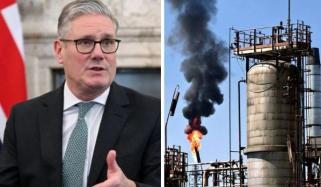
While Trump maintains that Iran's military capabilities have been "obliterated," Tehran launched fresh barrages on Tuesday targeting Israel and various regional energy hubs.
Parliament Speaker Mohammad Bagher Qalibaf reinforced this defiance asserting that "the aggressor should be punched in the mouth" to prevent future attacks.
With the Strait of Hormuz effectively closed and oil prices volatile, Iran's leadership appears committed to a war of attrition refusing to talk under the pressure of ongoing bombardment.