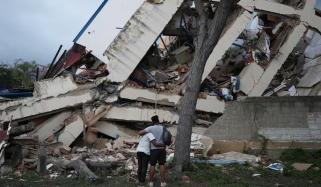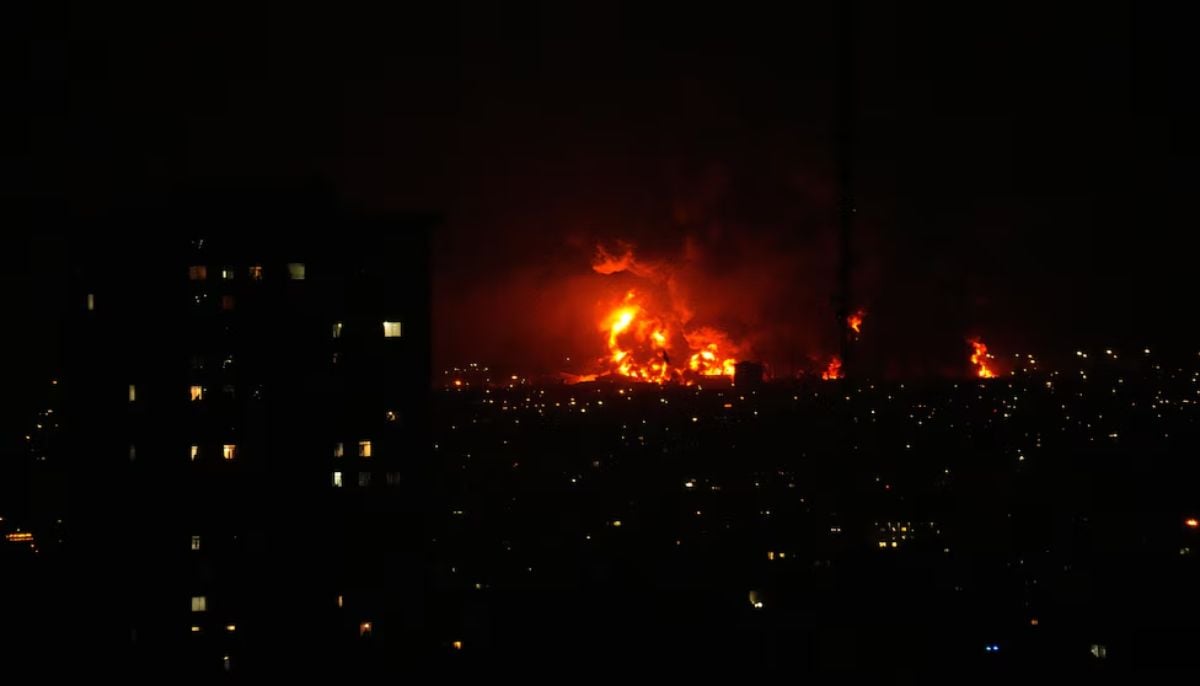
A dangerous new phase of Middle East conflict has emerged as water infrastructure becomes a direct target.
Over the weekend, Bahrain accused Iran of a drone strike on a vital desalination plant just 24 hours after Tehran claimed a U.S. airstrike destroyed its own facility on Qeshm Island.
Bahrain's Interior Ministry reported that the "Iranian aggression randomly bombs civilian targets" and caused material damage to a plant on March 8. While water supplies remain stable for now, the incident has sparked panic.
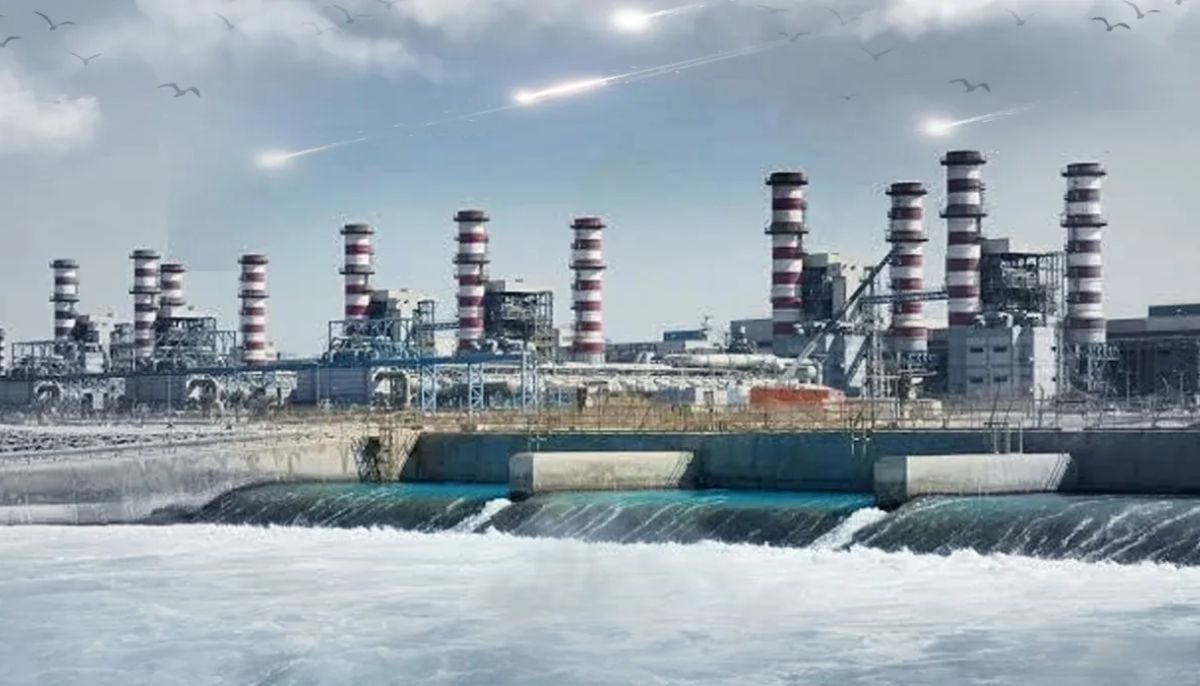
Iran's Foreign Minister, Seyed Abbas Araghchi, countered by claiming a US strike hit an Iranian plant first affecting 30 villages. He warned on social media, "The US set this precedent, not Iran. Attacking Iran's infrastructure is a dangerous move with grave consequences."
The potential loss to the region is catastrophic. Gulf nations like Kuwait and Saudi Arabia rely on desalination for up to 90% of their drinking water.
Experts warn that even a single successful hit on a major complex could force city-wide evacuations within days. As water economist Esther Crauser-Delbourg noted, "Whoever attacks the water could unleash a war even more devastating than the current one."