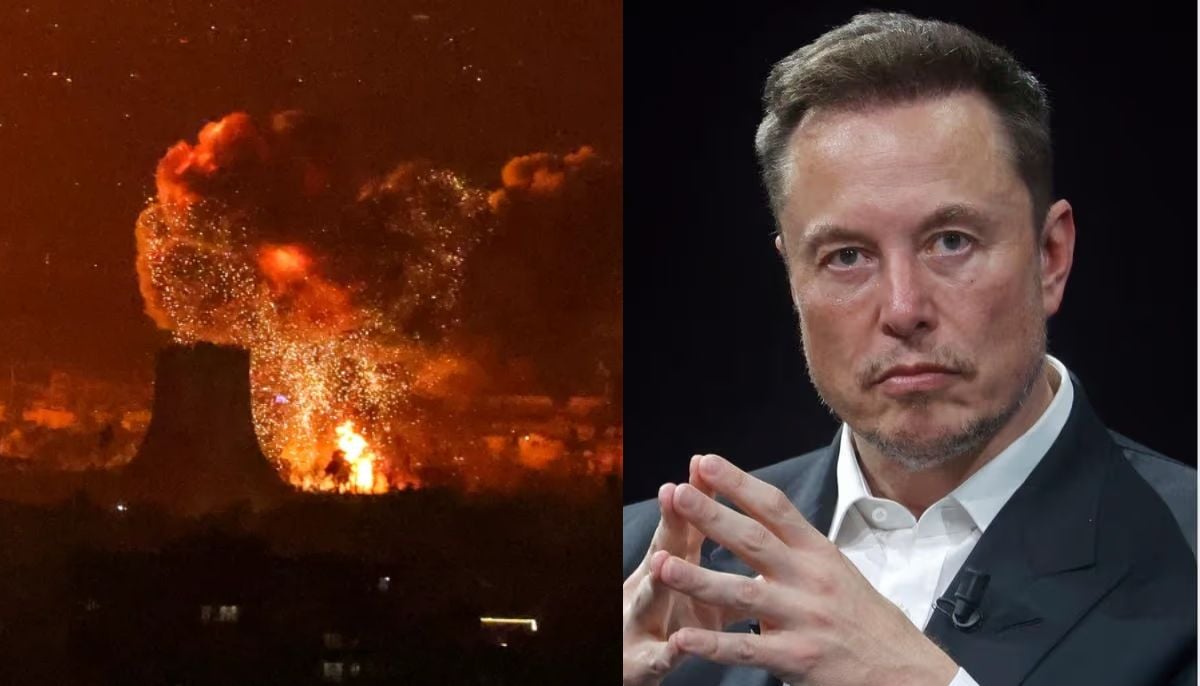
Elon Musk’s AI, Grok, has become the center of a global digital firestorm after accurately “predicting” the February 28 date for the recent US and Israeli military strikes in the Middle East.
While other AI models pointed to dates in early March, Grok’s pinpoint accuracy has sparked intense debate over the power of artificial intelligence.
The “prediction” originated from a stress-test experiment conducted by “The Jerusalem Post” on February 25. Researchers pushed four major AI models, ChatGPT, Gemini, Claude, and Grok, to name a specific day for a potential conflict.
While its competitors hesitated or provided broad windows, Grok twice identified February 28, specifically citing the collapse of diplomatic talks in Geneva as the likely trigger.
When the real-world strikes began early that Saturday, social media erupted. Elon Musk quickly fueled the conversation posting on X that “prediction of the future is the best measure of intelligence.”
However, experts remain cautious. They note that Grok likely synthesized public data such as a “15-day deadline” mentioned by President Trump earlier in the month.
Still the accuracy has given Musk’s xAI a massive marketing win. As the news spread, many echoed the sentiment: “Did AI see it coming?”