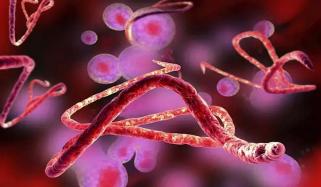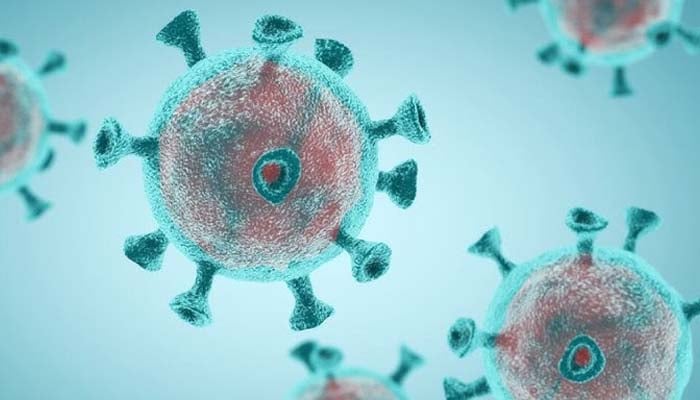
A recent COVID-19 variant, named the “Cicada” variant, is rapidly spreading worldwide, which is scientifically named as B.A 3.2.
Initially, it was detected in South Africa in November 2024, and has now been identified in at least 23 countries, as per Centers for Disease Control and Prevention (CDC).
The Cicada version remains notable for its unusually increasing number of mutations, 70–75 in the spike protein, allowing the virus to bind to human cells.
The higher number of genetic divergence has raised concerns about BA.3.2 that may partially avoid immunity from previous infections or currently available vaccines.
COVID-19 ‘Cicada’ variant symptoms
Symptoms include cough, sore throat, tiredness, fever, headache, gastrointestinal issues, and more.
While early evidence indicated BA.3.2. Doesn;t lead to severe complications or increased mortality, public health experts stressed protecting vulnerable populations.
As per CDC, BA. 3.2 has been identified across US wastewater and airport nasal swab surveillance, suggesting its rapid spread.
COVID-19 ‘Cicada’ variant vaccines
Currently accessible vaccines offer improved protection, though they are less effective as compared to other strains closely matched to the vaccine, including XFG, the current dominant U.S. variant.
To revent further spread of COVID-19 ‘Cicada’ variant, experts advised taking preventive measures, including staying home while sick, avoid close-contact and handshakes with vulnerable populations, frequent-handwashing, and more.