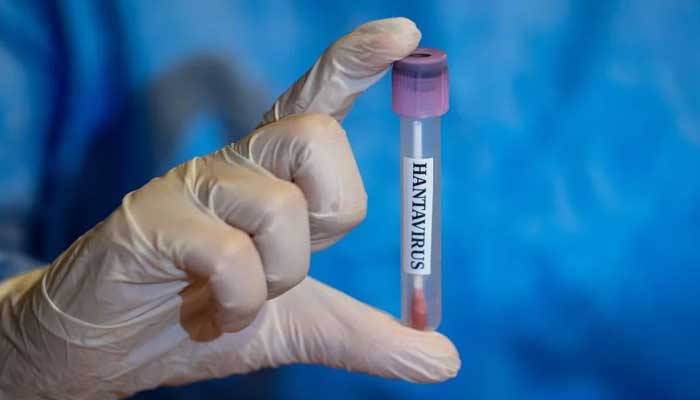
Thailand has classified hantavirus as a “dangerous communicable disease” amid its ongoing outbreak across countries, leading to fears surrounding potential human-to-human transmission in certain strains.
On Friday, May 15, Thailand’s National Communicable Disease Committee approved the designation, imposing strict emergency response measures nationwide.
Under the agreement, suspected hantavirus cases must now be reported within three hours, while health officials are needed to start probing the matter within 12 hours.
Notably, authorities have mandated a 42-day period of isolation for high-risk contacts.
With this update, officials will be able to efficiently manage laboratory testing, treatment readiness, and rapid containment efforts. Monitoring at international entry points is also being increased, as per Thailand’s Ministry of Public Health.
Health officials warned that hantavirus infections often occur after close contact with infected rodents or exposure to their urine, saliva, or droppings.
Human infections commonly occur while cleaning rodent-infested homes, farms, forests, or rural buildings. Although person-to-person spread remains rare, some strains are capable of transmitting via respiratory droplets.
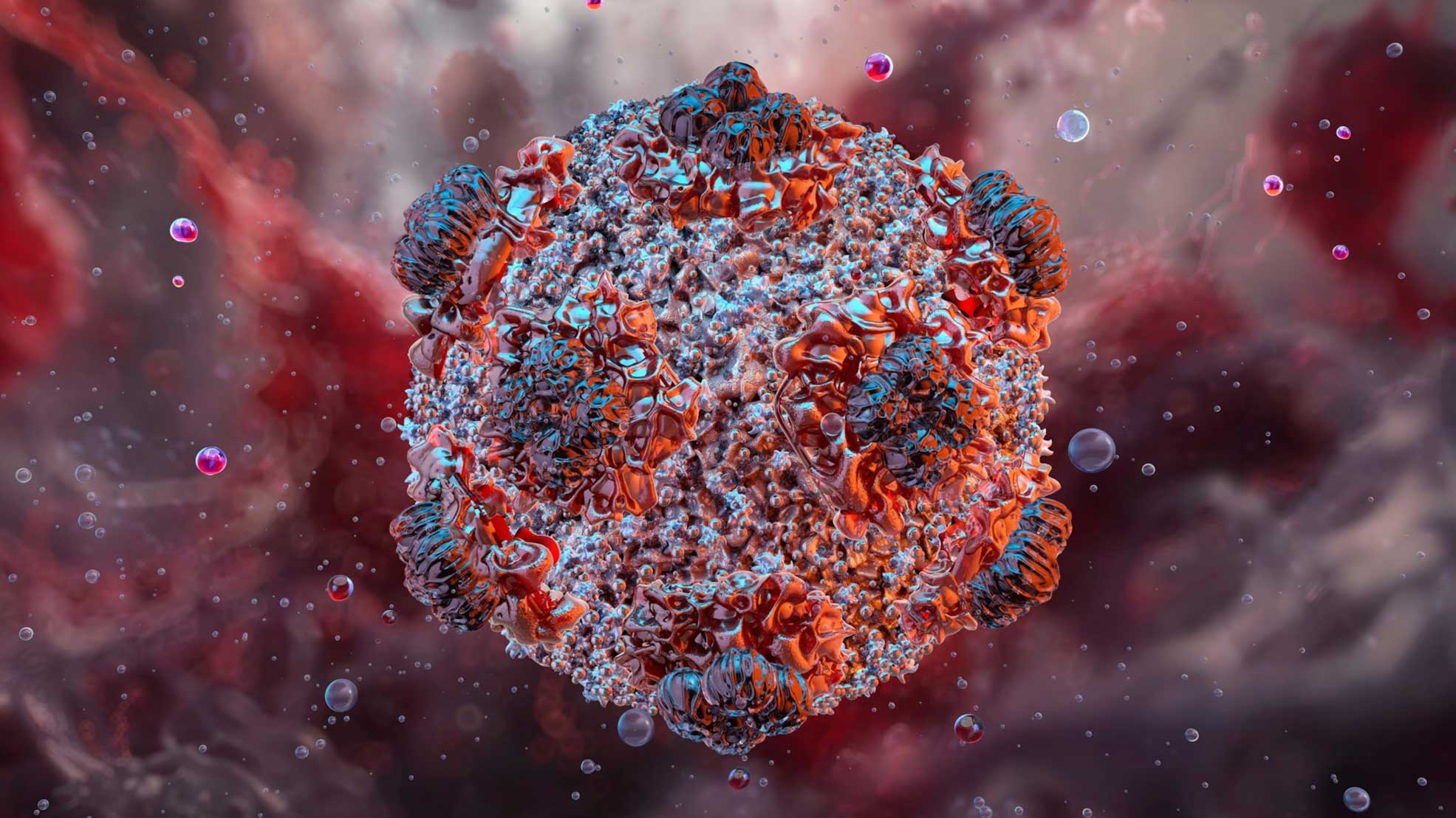
Permanent Secretary Somruek Chungsaman stated, "Patients Under Investigation" definitions and immediate investigation protocols for domestic cases, alongside the quarantine enforcement.
People with recent rodent exposure or travel history are strongly advised to seek immediate medical attention if they develop symptoms such as high fever or breathing difficulties.
The ministry stressed that provincial health offices and hospitals across the country have already received instructions to cloe monitor and communicate risks to the public as concerns over hantavirus continue to rise worldwide.