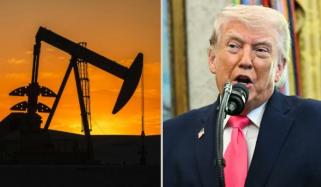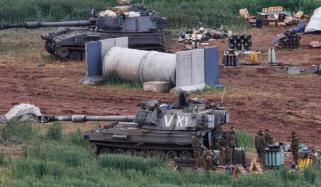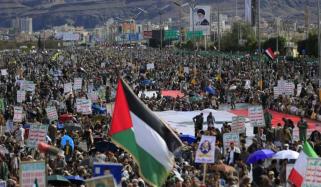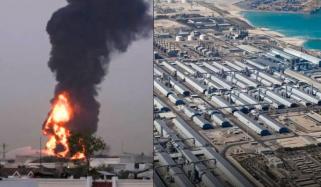
Oil crises are getting worse as the liquid commodity surges to its highest level in nearly two weeks amid escalation on multiple fronts of the US-Israel war on Iran.
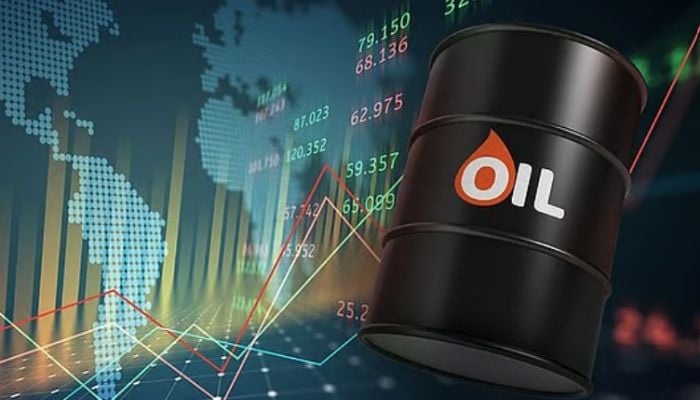
With reference to that, the global benchmark, Brent crude, rose more than 3 percent on March 30 to top $116 a barrel.
The latest climb took the international yardstick to its highest point since March 19, when it briefly touched $119 a barrel.
Oil prices have risen nearly 60 percent since the start of the war, driving up fuel prices worldwide and forcing numerous countries to adopt emergency measures to conserve energy.
The surge came after Iran said it was prepared for a U.S. ground invasion, with the speaker of the country’s parliament warning that Tehran was waiting for the arrival of US troops to “set them on fire” and “punish” their regional allies.
Additionally, Iran’s effective closure of the Strait of Hormuz in retaliation for the US-Israeli attacks has disrupted about one-fifth of global oil and liquified natural gas (LNG) supplies, plunging the world into its biggest energy crisis in decades.
Analysts have warned that oil prices are likely to keep rising unless maritime traffic returns to normal levels in the strait.
U.S. President Donald Trump has threatened to “obliterate” Iran’s energy infrastructure if Tehran does not relinquish its stranglehold on the waterway by a deadline of April 6.
Greg Newman, CEO of Onyx Capital Group, which began as an oil derivatives trading house, said energy consumers were only beginning to feel the true fallout of the turmoil.
“Physical oil moves around the world in loading cycles, and Europe has taken around three weeks to really start feeling the effects of the oil shortage,” Newman told Al Jazeera.
“Brent is starting to reflect the reality, and we think it’s a steady rise from here towards $120 and beyond.”
Newman said the scale of the disruption had yet to be fully appreciated.
“No one in the market has ever seen the outages we are now suffering from—physical premiums are the highest ever. There is still a sense that the macro world is not taking this seriously enough, but it is worse than anything that has come before it,” he said.
“The reality will come out in the economic numbers over the coming months," Newman added.