The Sun has unleashed a powerful M5.7 solar flare, sending a massive cloud of solar particles toward Earth.
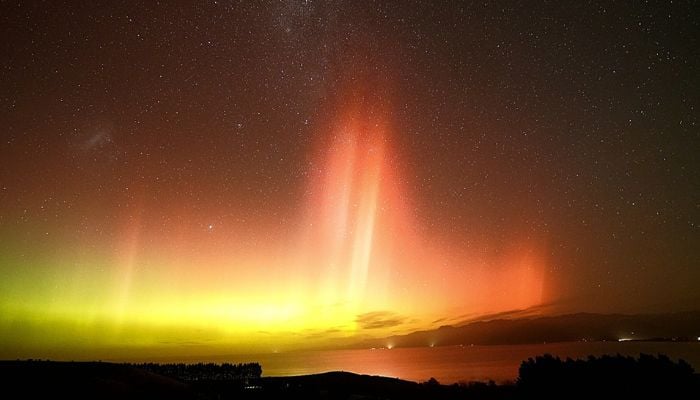
This event, known as a coronal mass ejection (CME), has significantly raised the chances for skywatchers to spot the Northern Lights tonight, May 12, 2026.
The eruption peaked on May 10 from an active sunspot region named AR4436.
While much of the solar material will miss our planet, a “glancing blow” is expected to strike Earth’s magnetic field.
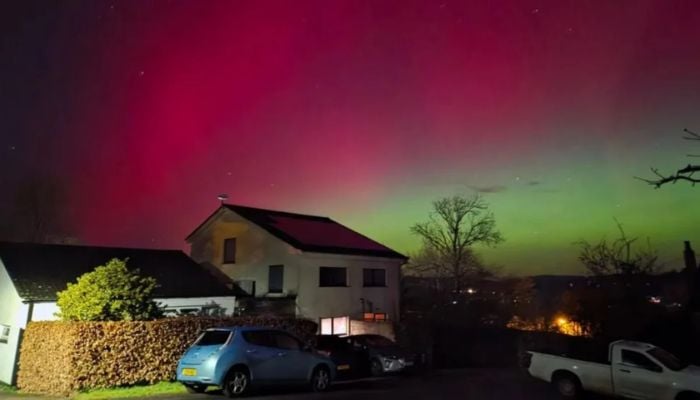
This impact could trigger a G1 (Minor) geomagnetic storm which often pushes the aurora borealis further south than usual potentially reaching northern U.S. states and the U.K.
According to the NOAA Space Weather Prediction Center, the blast launched a fast-moving CME “travelling at some 650 kilometers per second.”
Experts note that 2026 is a “peak year for solar activity” marking these sightings more likely.
While not as intense as the historic storms of 2024, forecasters say “part of the expanding plume of solar material may still brush past Earth” creating vibrant green and purple glows.
For the best view, find a dark spot away from city lights and look toward the northern horizon.