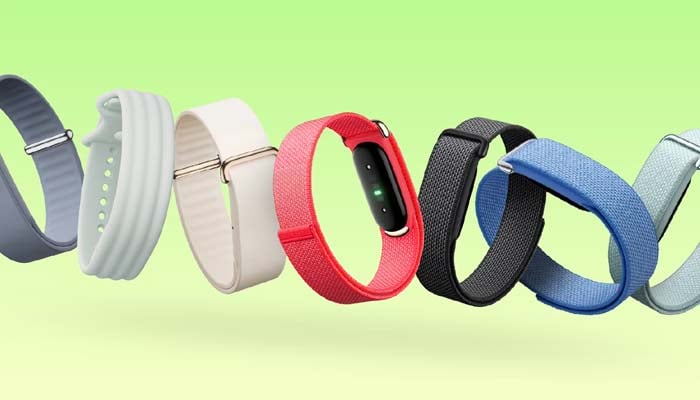
Google’s newly launched Fitbit Air is making waves across social media, and drawing comparisons with the leading players of the industry, including Whoop, Oura, and Polar Loop.
Priced at nearly $99, the Fitbit Air has positioned itself as an affordable yet stylish health wearable, integrated with a range of cutting-edge features that are particularly designed for users who want deep insights without the distraction of a screen.
Google Fitbit Air features
Here the features that distinguish Google's Fitbit Air with other health tracker watches:
Outstanding design and comfort
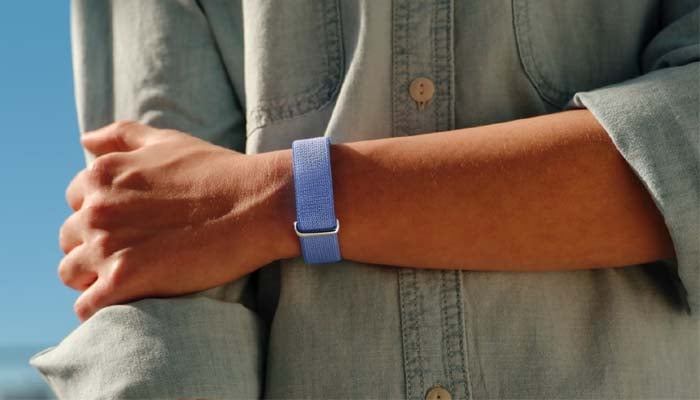
One of the strongest advantages of the Fitbit Air is its lightweight, minimal design. Unlike traditional smartwatches, it does not feature a display, making a comfortable fit for everyone to wear all-day.
It consists of a soft and adjustable band that makes it more perfect for everyone to use.
Advanced health tracking features
Despite its simple appearance, the Fitbit Air consists of serious sensors including heart rate monitoring, SpO2 tracking, temperature variation analysis, and sleep tracking to keep a track of your health.
Notably, the recently introduced Fitbit Air delivers reliable accuracy for heart rate and sleep metrics, as per some testers who have already tried it.
One of the most standout features include its AI-centric Google Health Coach that offers personalized fitness guidance for all according to your requirements.
Battery life and limitations
With a battery life of around eight days, the Fitbit Air outperforms many smartwatches.
However, the Fitbit Air lacks a screen, detailed workout feedback, and strong automatic exercise detection, making it less ideal for athletes.