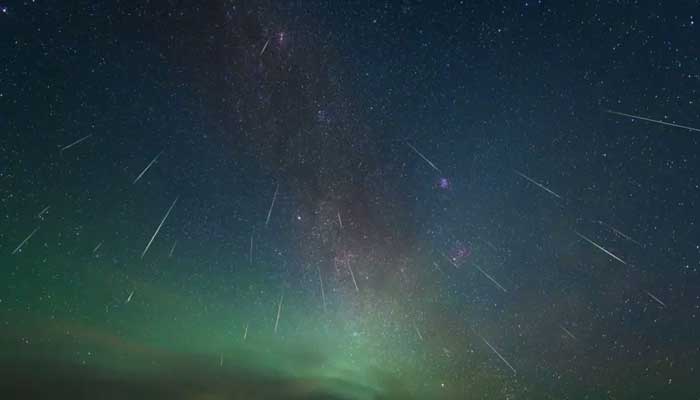
Perseids meteor shower is all set to illuminate the skies, offering a chance to catch a captivating rare glimpse from July 17 through August 24 across the Northern Hemisphere.
The spectacular annual celestial event is set to produce up to 100 meteors per hour during its peak under ideal conditions.
Perseids meteor shower 2026 peak date
The Perseids meteor showers 2026 will peak overnight on August 12-13, with the best timings to view is expected ahead of dawn on August 13.
This year’s peak coincides with a new moon, generating darker skies and excellent conditions to spot meteors.
Perseids meteor shower time
The best Perseids meteor shower time is between midnight and 5:30 a.m., when the radiant point in the constellation Perseus is highest in the sky. However, some meteors may also be visible shortly after sunset.
However, a few of the meteors will also remain visible shortly after the sunset.
Perseid meteor shower: Where to look
No special equipment is needed to view the display of Perseid meteors.
Observers should go out, find a location away from city lights, into the open sky. The meteors will radiate but can appear anywhere in the sky so binoculars or telescopes aren't necessary.
Perseids meteor shower 2026: Where to see
One of the best places to see Perseids meteor shower 2026 are dark-sky locations, countryside areas, national parks and elevated viewpoints.
For the viewers in the UK, recommended spots include the Peak District's dark sky sites, while viewers elsewhere should seek rural areas with minimal light pollution.
What causes the Perseids?
The Perseids happen every year as Earth passes through debris left behind by Comet Swift-Tuttle.
As the tiny particles enter Earth’s atmosphere at speeds of nearly 36 miles every second, they burn up and generate striking light, with occasional fireballs visible.
With clear skies and moonless peaks, Perseids meteor shower tonight and throughout August could provide one of the best stargazing opportunities of 2026.