Antartica's "Doomsday Glacier" is causing concerns among researchers after hundreds of glacial earthquakes were detected, raising fears that it might collapse.
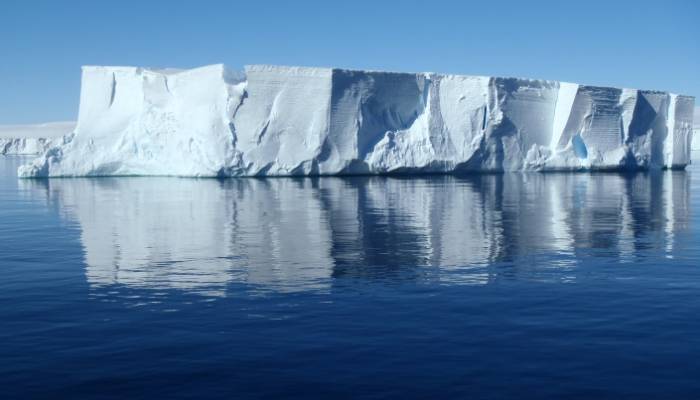
These earthquakes happen when large chunks of ice break off and fall into the sea, hitting the main glacier as they flip over in the water.
Glacial earthquakes are a type of earthquake but they are very different from those caused by volcanoes or tectonic shifts.
Unlike regular earthquakes, they do not generate high-frequency seismic waves which make them hard for most detectors.
In fact, they are so rare and elusive that scientists only discovered them for the first time in 2003.
The author of the paper, Dr Than-Son Pham, of the Australian National University, wrote in The Conversation: "If it were to collapse completely it would raise global sea levels by three metres, and it also has the potential to fall apart rapidly."
A recent study by an Australian researcher discovered more than 360 previously undetected earthquakes in Antartica with most happening at the ocean-facing edge of the Doomsday Glacier, also known as Thwaites Glacier.
Scientists are increasingly concerned that human-caused climate change is threatening the glacier with total collapse.
If the Doomsday Glacier completely collapses it could trigger massive flooding, submerge some island, destroy cities and force millions of people to relocate inland as climate refugees.