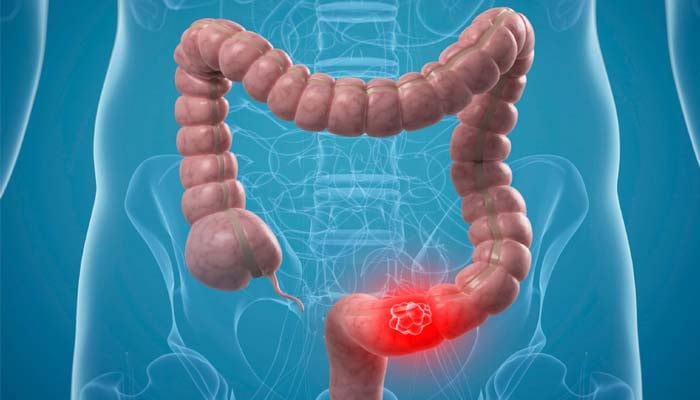
In a significant update, the National Health Service (NHS) in England is set to enhance early diagnosis of bowel cancer by making its main screening test more sensitive.
As per the medical professionals, this move can help in saving hundreds of lives each year.
NHS England will reduce the threshold of the faecal immunochemical test (FIT) that identifies hidden blood in stool samples.
Currently, patients are referred for further probe if 120 mgs of blood per gram of stool is identified.
This threshold will be minimised to 80 mgs by 2028, aligning England with Scotland and Wales.
Health officials stated that this move will assist in the early diagnosis of bowel cancer, often before symptoms appear.
NHS England’s national clinical director for cancer Prof Peter Johnson stated, “This is a major step forward in bowel cancer detection and will help save hundreds more lives from this devastating disease.”
“Testing at a lower level threshold will now provide a better early warning system for bowel cancer, helping us to spot and treat cancers earlier, often picking up problems before symptoms occur.”
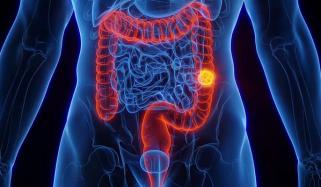
Bowel cancer — a life-threatening disease — which is considered the UK’s second deadliest cancer, with around 44,100 diagnoses and 17,400 deaths every year.
NHS England projected the reduced threshold will identify nearly 600 additional cancers annually — an 11% increase — and reduce late-stage diagnoses and deaths by around 6%.
Additionally, the move will result in a 35% surge in colonoscopies, as more patients will be flagged for follow-up testing. With a surge in demand, the NHS expects earlier diagnosis to save £32 million every year.
The FIT home testing programme, introduced in 2019, saw nearly 7 million kits sent out in 2023–24, with a 68% return rate.
Screening eligibility was also expanded in 2024 to include people aged 50–53.
This move is widely supported by cancer charities, called as a crucial step in saving lives.